 EN
EN


Why is aluminum processing efficient with fiber lasers?
Working with aluminum means tackling several problems. Such as rapid tool wear, heat buildup, and slow overall production rates. So, why are workshops and manufacturers adapting their production line with fiber laser cutting machines? Everything in the laser cutting process is based on the properties of aluminum. Let's investigate.
With aluminum, there is a problem with the reflective surface of the material and the ease with which heat is conducted. During the early days of laser cutting, particularly with the CO2 laser, this proved to be a problem. A lot of the beam's energy was reflected before the cut could be initiated. Once initiated, the heat was dissipated quickly (due to the high thermal conductivity of aluminum). The laser cutting process was unable to create a smooth and properly defined kerf. Fractured and burned edges along with heat affected zones were a commonplace occurrence as well as wasted energy.
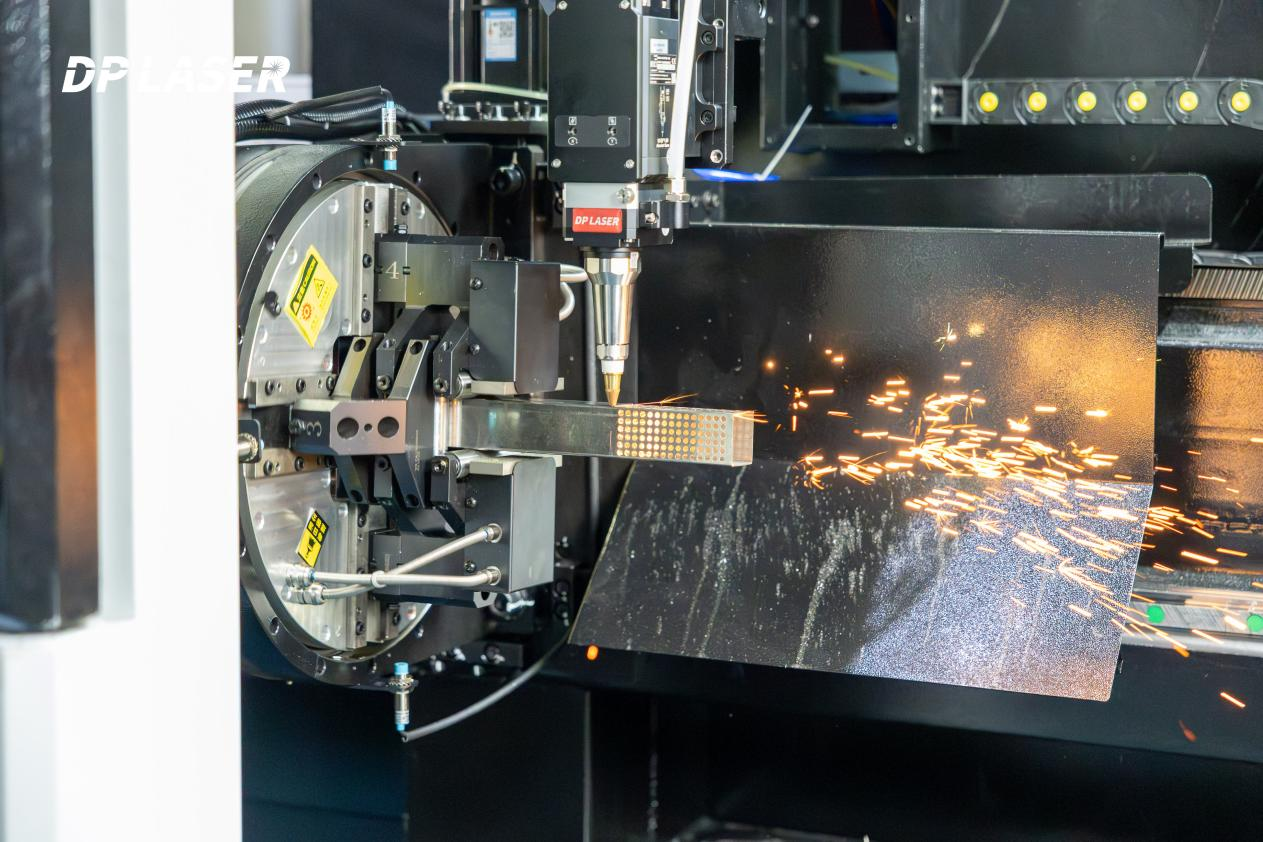
How Fiber Laser Technology Revolutionizes the Industry
In fiber laser technology, the beam is created and channeled via a thin, flexible optical fiber, making it much more efficient and offering superior power concentration in electric-to-laser conversions. Powerful, and more importantly, hyper-focused, laser light is the 'secret weapon' for great metal processing, especially for more challenging materials like aluminum.
Understanding How Fiber Laser Technology Works in Metal Processing
In the context of laser technology, the term efficiency speaks primarily to how much of the laser light is absorbed by the metal. Each metal and laser light have a specific relationship in regard to how much light is absorbed and the improving efficiency of the fiber lasers ultimately boils down to the absorption rate of aluminum. The optimized light absorption in aluminum coupled with ideal laser wavelengths of around 1.06 micrometers high powered fiber lasers enables the processing of aluminum in a revolutionary manner.
Think of it this way: CO2 lasers have a much longer wavelength compared to fiber lasers. Because of this, CO2 lasers are less efficient for cutting aluminum. When using a fiber laser cutting machine, the aluminum will absorb more of the lasers energy, meaning it will waste less energy. Because of this, fiber laser machines require less energy to achieve the same results. The more energy a fiber laser machine is able to convert, the faster it will be able to cut.
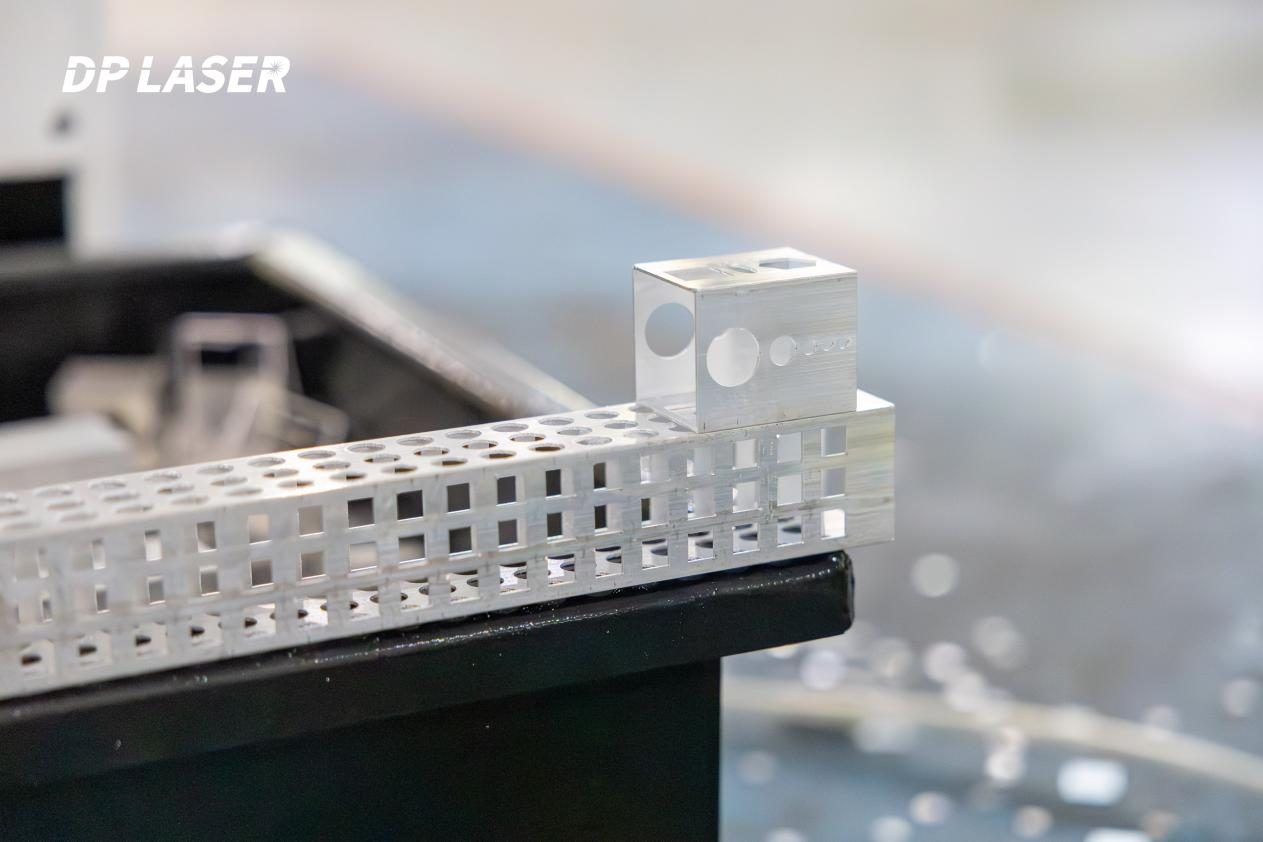
High Speed and Exceptional Quality: The Dual Advantages
High Speed: This is the most obvious benefit of having a better beam absorption. The cutting speed of a fiber laser cutting machine is almost 3~4 times faster than that of a CO2 cutting laser of the same power. This helps the workshop handle more orders.
Exceptional Cut Quality: You can cut with higher speeds and not lose any cut quality. A tightly focused laser beam creates a very narrow kerf, and this results in smooth and straight cuts with small burrs. Most parts are finished right off of the machine, and this reduces and can even get rid of secondary operations like grinding and deburring. Also good is the small heat-affected zone which preserves the original material properties of the cut edge.
Economic Benefits: Returns Beyond the Cut
Investing in new technology has benefits that go far beyond the improved rate and quality of cutting that is visible on the machine.
Lower Overall Operating Costs: Fiber lasers convert electric energy to laser light energy more efficiently than CO2 systems, resulting in lower energy consumption. Fiber lasers are more compact and require less maintenance, because they do not have delicate optical components, such as lenses, that have to be cleaned and aligned. Daily maintenance costs are reduced significantly compared to CO2 systems. Additionally, reliable, low failure rate lasers provide savings on operational costs and translates to increased profits.
More Efficient Use of Material: Laser cutting because of its accuracy allows 'tight nesting' on an aluminum sheet, which means cutting the parts out of the sheet with minimal leftover material. This means less scrap and leftover material from which to manufacture parts, which is essential for modern manufacturing that focuses on profits.
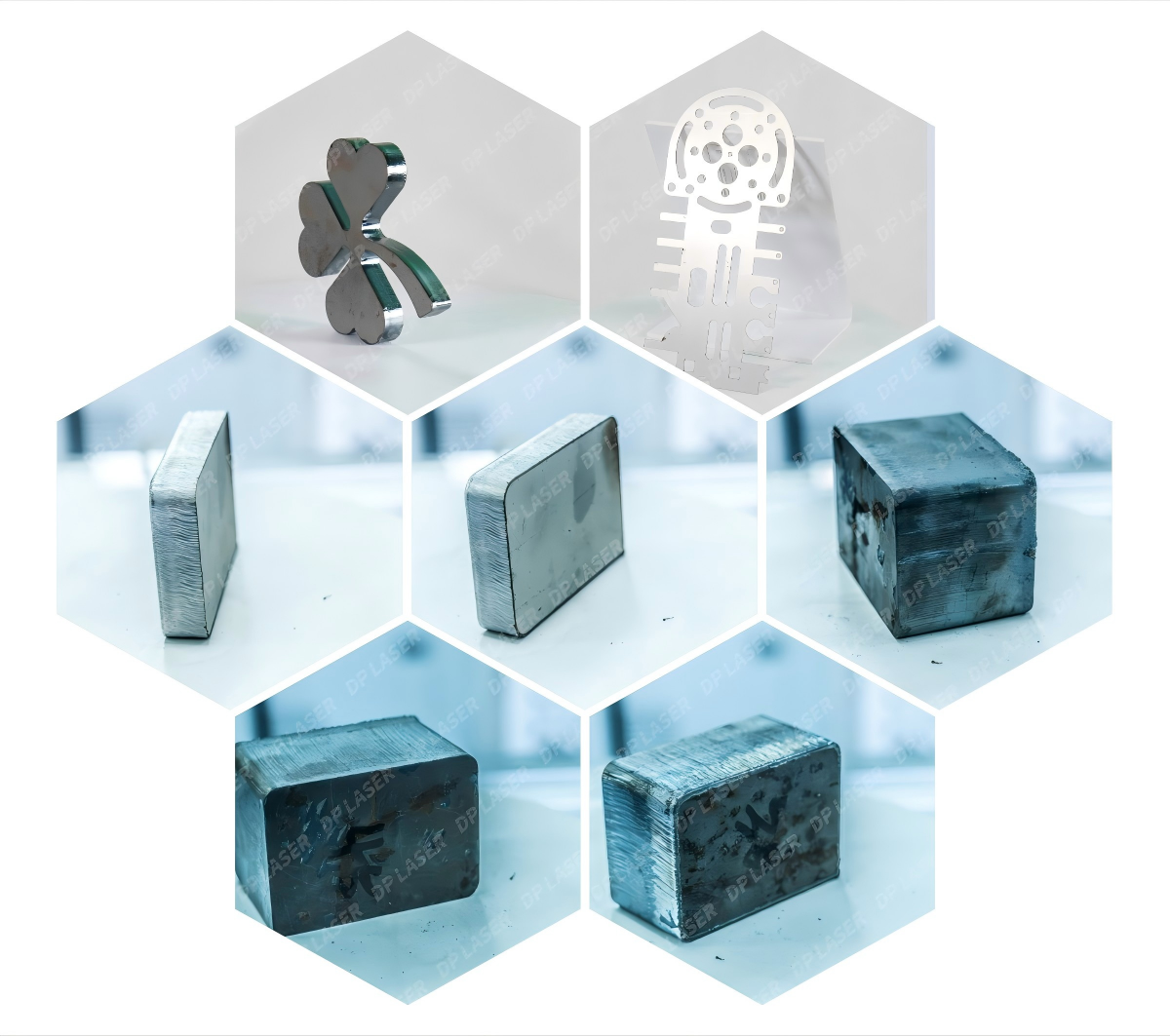
Preparing for Automation and Intelligence
The latest laser cutting machines are the heart of intelligent automation. They are compatible with automated in and out loading systems and warehouse systems which allow for long periods of unmanned production. This means less labor is required, and produces a significant increase in production and equipment utilization. This is what leading manufacturers mean when they talk about intelligent, comprehensive automated systems and a competitive advantage for their customers.
Experience and Knowledge to Tackle Challenges: A Show of Technical Knowledge
Certainly, the problem of high reflectivity of aluminum is still a challenge. The top tier laser technology manufacturers have solved this problem due to their advanced pulsing technology and detailed process databases. The lasers operate in extremely short and extremely high pulses. This first pulse quickly breaks the highly reflective surface to create a molten pool to which the other pulses can be absorbed to allow stable and uninterrupted cutting. This is due to the relentless research and extensive experimental accumulation of the process core by the equipment manufacturers. Companies with their own in-house research and development and large scale production have the unique opportunity to walking the overcome this process and to have their equipment operate optimally over a broad range of aluminum alloys.
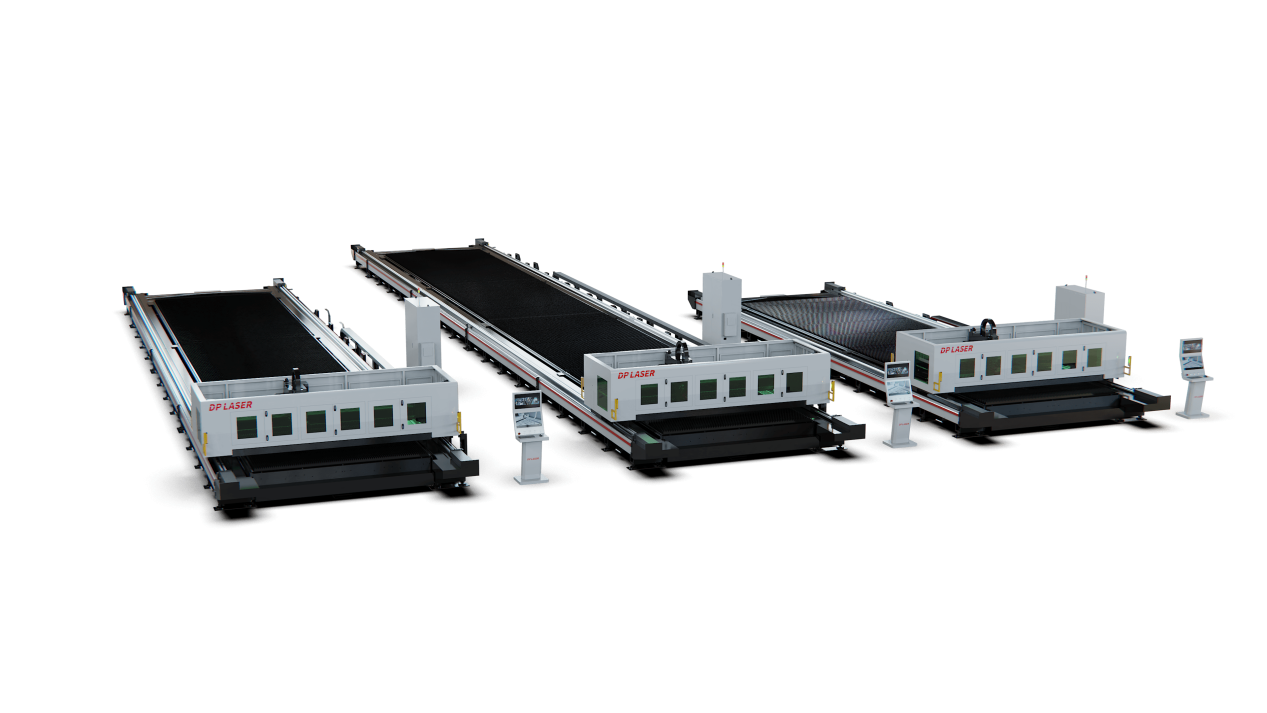
Selecting a Partner: A Technology to Productivity Strategy
In conclusion, the fiber laser technology is a great asset when it comes to aluminum cutting. However, for this to be advantageous in your cutting process, you will also need reliable equipment and proper guidance.
This shows how essential selecting the correct technology partner is. A manufacturer that has a solid focus on R&D, possesses deep technical accumulation, and has an all-inclusive production line, can ensure that the laser source, machine tool, control system, and process software, are all deeply optimized and synergized. Such an integrated approach creates a solid foundation for ensuring that the equipment will operate, efficiently and stably, for a very long time, and will deliver consistent, high quality processing.
Conclusion: The Efficient Processing Choice for the Future
In the manufacturing sector that is becoming more and more competitive, the focus on enhancing efficiency and quality is a never-ending process. The introduction of a fiber laser cutting machine designed for processing aluminum has great significance. It specifically resolves the fundamental challenges associated with aluminum processing, turning this lightweight metal into a material that can be processed with high efficiency, high quality, and high profitable.
When considering your next production equipment investment, it can help to cast your net a little wider than just the laser source itself, and consider factors like the overall system's technical maturity, other integrated systems, the vendor's actual use cases, industry standing, and their ability to provide dependable answers to your specific questions. For instance, in the integrated fiber laser space, DP Laser remains a strong choice with their integrated system technology and customer-focus longevity. Flexible systems help customers improve their use of advanced technologies and turn those technologies into actual productive and competitive advantages. Unlike just equipment, choosing a vendor with solid, integrated system technology and longevity provides the foundation for leapfrogging production capabilities and sustained business growth.