 EN
EN

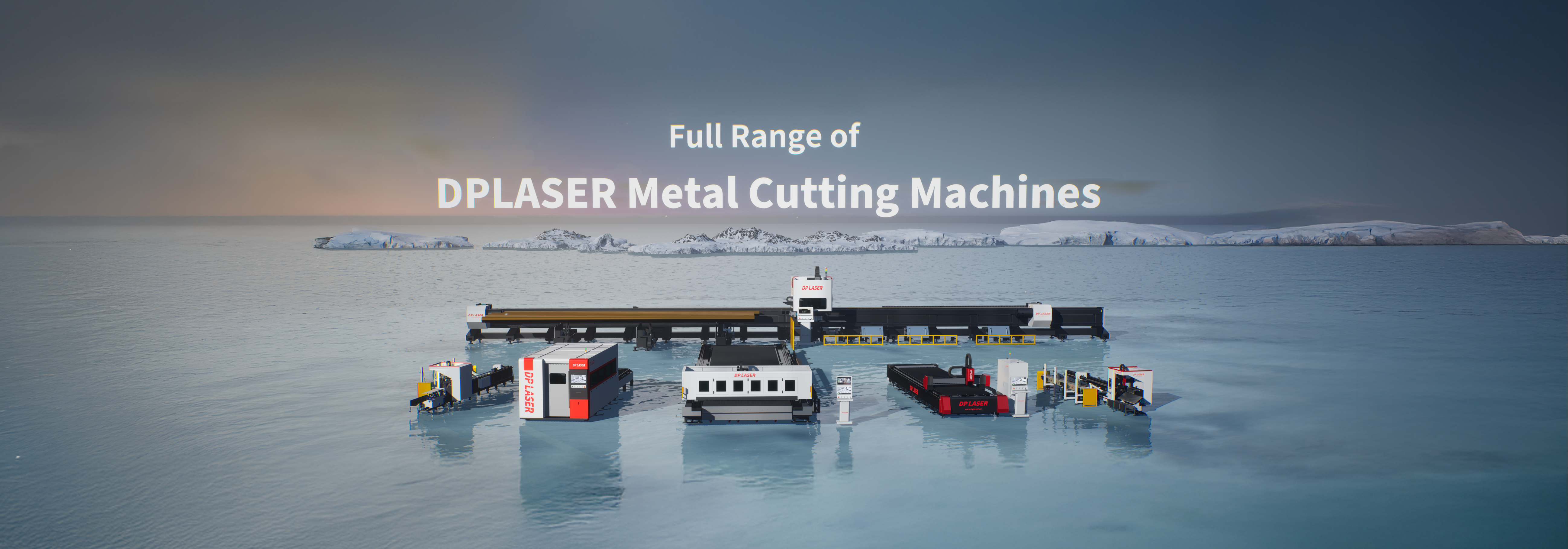
Understanding the different types of laser cutting machines.
That's a great choice! With so many possibilities, features, specifications, and brand statements, it's easy to feel overwhelmed. This is understandable. However, it's not about finding the most powerful machine available, it's about closing the deal on the most suitable machine for the shop's use. You wouldn't purchase an 18-wheeler for your small city driving errands, nor would you use a compact truck for heavy construction hauling. The same logic can be applied here.
In this article, we will focus on the main types of laser cutting machines and simplify them for you. We will examine them from two practical perspectives: the type of laser technology they use and the material shape the machine is designed to work with. This will help you in identifying the category that best matches your shop's needs.
Main Division: Based on Laser Source Technology
This is the machine's engine. The laser source type will affect its efficiency, capability, and operational costs.
Fiber Lasers: The Modern Powerhouse
With good reason, this technology has been dominating the industry when it comes to metal cutting. The generation of the laser beam comes from active optical fibers, which makes the system remarkably reliable and efficient. It excels at cutting reflective metals, such as copper, brass, and especially aluminum. It operates with superior energy efficiency and achieves higher cutting speeds compared to other metal cutting technologies. Unlike older CO2 systems with mirrors that require regular maintenance, fiber lasers offer a more robust solution. When it comes to modern, high-performance laser cutting machine systems, the fiber laser is often the preferred choice.
CO2 Lasers: The Veteran with Versatility
CO2 machines reigned supreme on the shop floor before the arrival of fiber lasers. Their laser is generated from a mixture of gas excited by an electrical current. Their greatest strength is versatility. They can engrave, cut, and mark a very wide range of materials. They are able to process non-metal materials such as wood, plastics, glass, and fabrics, and can also process thinner metals. For workshops that handle a diverse mix of non-metals, CO2 lasers remain a relevant option, despite their relatively higher energy consumption and maintenance requirements compared to fiber lasers.
The Practical Division: By What They Cut
The type of work a laser can do goes beyond the laser source; the physical design of the machine also plays a major role. This design is often the most critical decision point.
Flat Sheet / 2D Cutting Machines
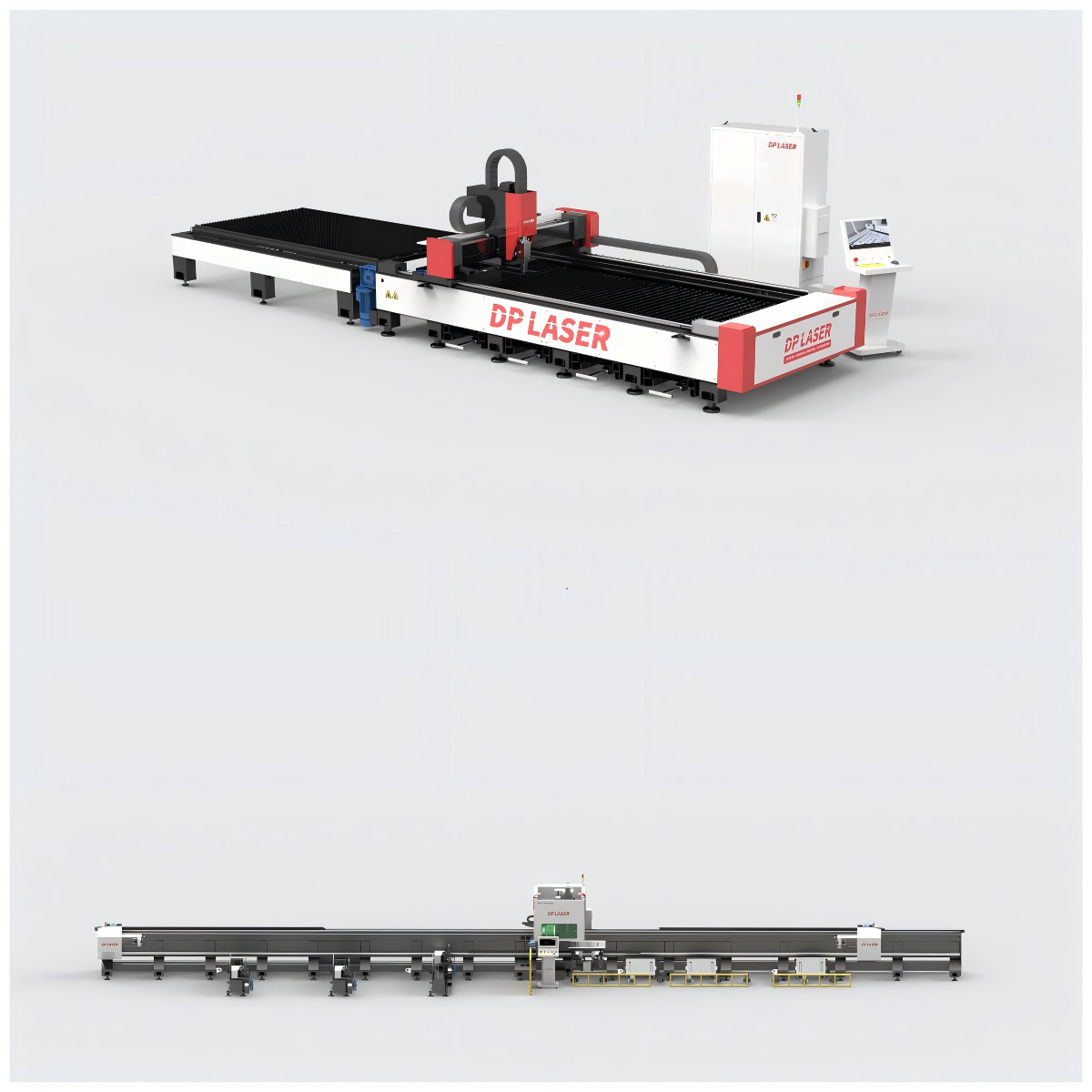
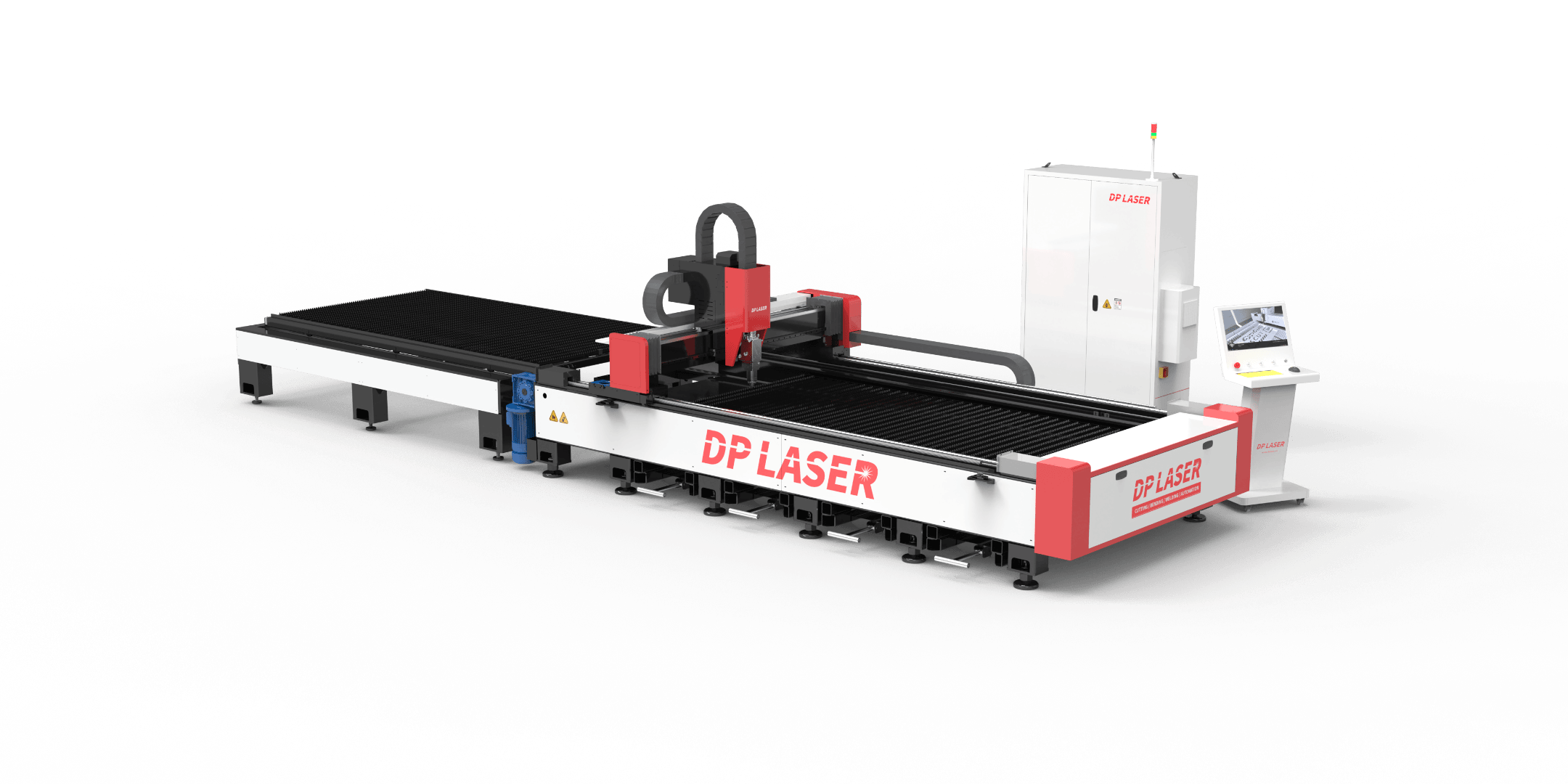
This is the classic image most people have of a laser cutter. It features a flat, stationary bed and a laser head that moves in the X and Y axes over the material. They are most commonly used for cutting components from metal sheets, plates, or other flat stock. These machines can be open or fully enclosed. Enclosed machines offer enhanced safety, integrated noise dampening, and built-in fume extraction. Their capabilities vary widely:
1.Standard Power (3kW - 6kW): Suitable for general fabrication, electrical enclosures, and sheet metal up to approximately 12 mm.
2.High Power (12kW - 30kW and above): Designed for heavy-duty, high-volume industrial production. These machines have extremely robust structures to handle the forces of high-speed acceleration. For example, a high-power model might use a dual gantry drive and a cast frame to achieve positioning speeds over 100 m/min and accuracy within ±0.03 mm, enabling continuous, efficient cutting of thick materials.
Tube & Profile Cutting Machines
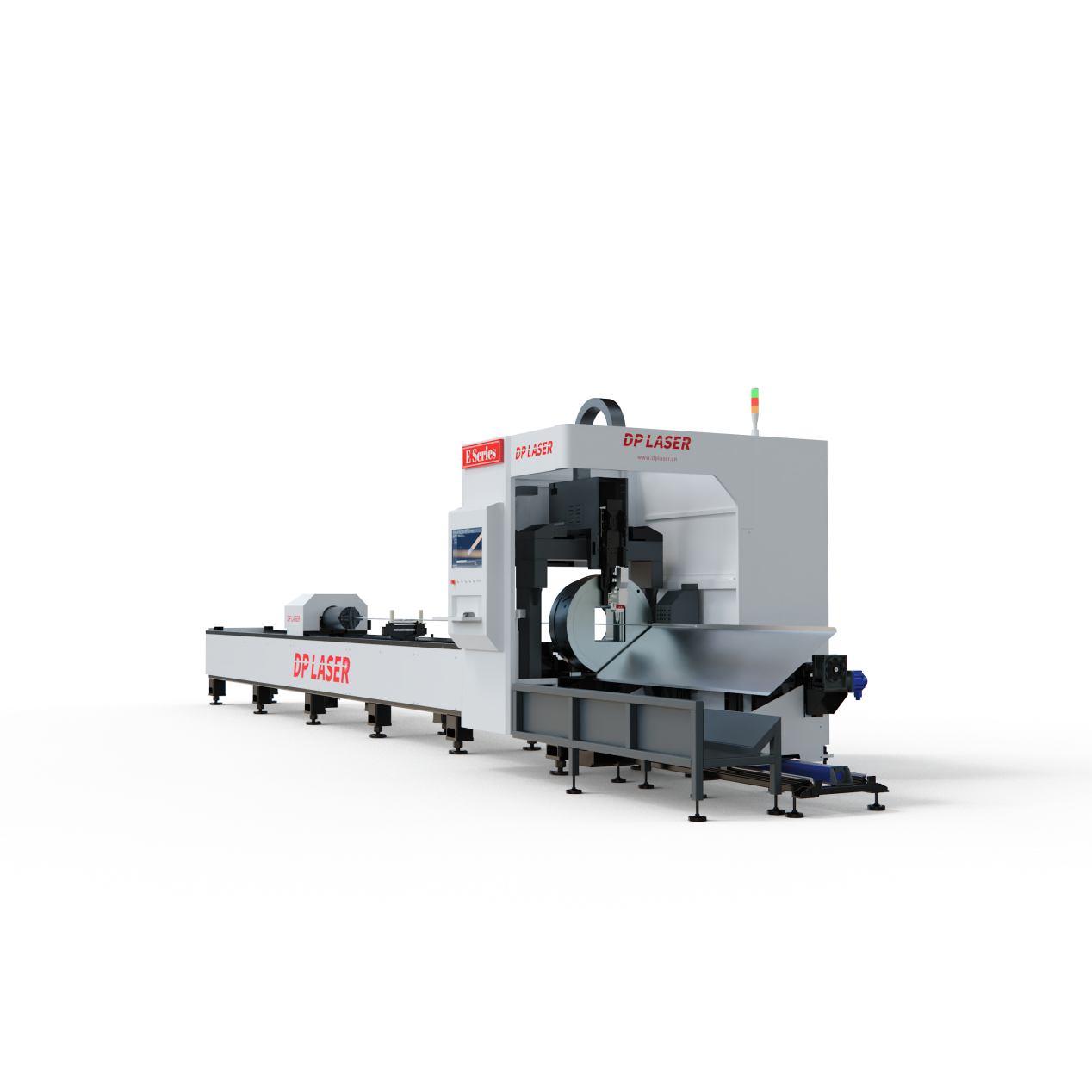
This machine is one of a kind. While a flatbed machine can cut pre-cut lengths of pipe, a specialized tube laser is engineered from the ground up to handle long, raw material. The tube is held and precisely rotated by chucks while the cutting head moves along its length. This allows for complex cuts, drills, and notches along the entire length and circumference in one setup. They are crucial in industries like furniture, automotive, fencing, and structural frameworks. Modern heavy-duty versions feature three-chuck systems for stability with long tubes and often include fully automatic feeding and unloading systems to maximize productivity.
3D / Robotic Cutting Machines
For cutting pre-formed metal parts—like automotive body components, welded fabrications, or hollow shapes—a 3D system is essential. These typically consist of a high-power fiber laser source connected via a flexible cable to a robotic arm. The robot can maneuver the cutting head at virtually any angle to follow the complex contours of a 3D part. This represents advanced, automated technology for large-scale manufacturing.
Critical Details to Factor in Before Selection
The first step is knowing the types. The second is matching them to your situation. Ask yourself these questions:
1.What materials and thicknesses do I work with mostly? (This points you to the laser type and power).
2.What is the primary shape of my raw material? (Flat sheets, long tubes, or pre-formed parts? This decides the machine category).
3.What are my volume and precision requirements? (High-volume production demands high power, speed, and automation-ready features).
4.What is my shop environment like? (Do I need a quieter, cleaner enclosed machine, or is an open-frame acceptable?).
5.What is your long-term vision? (Choosing a machine that can integrate with future automation, like an automatic loading system, protects your investment).
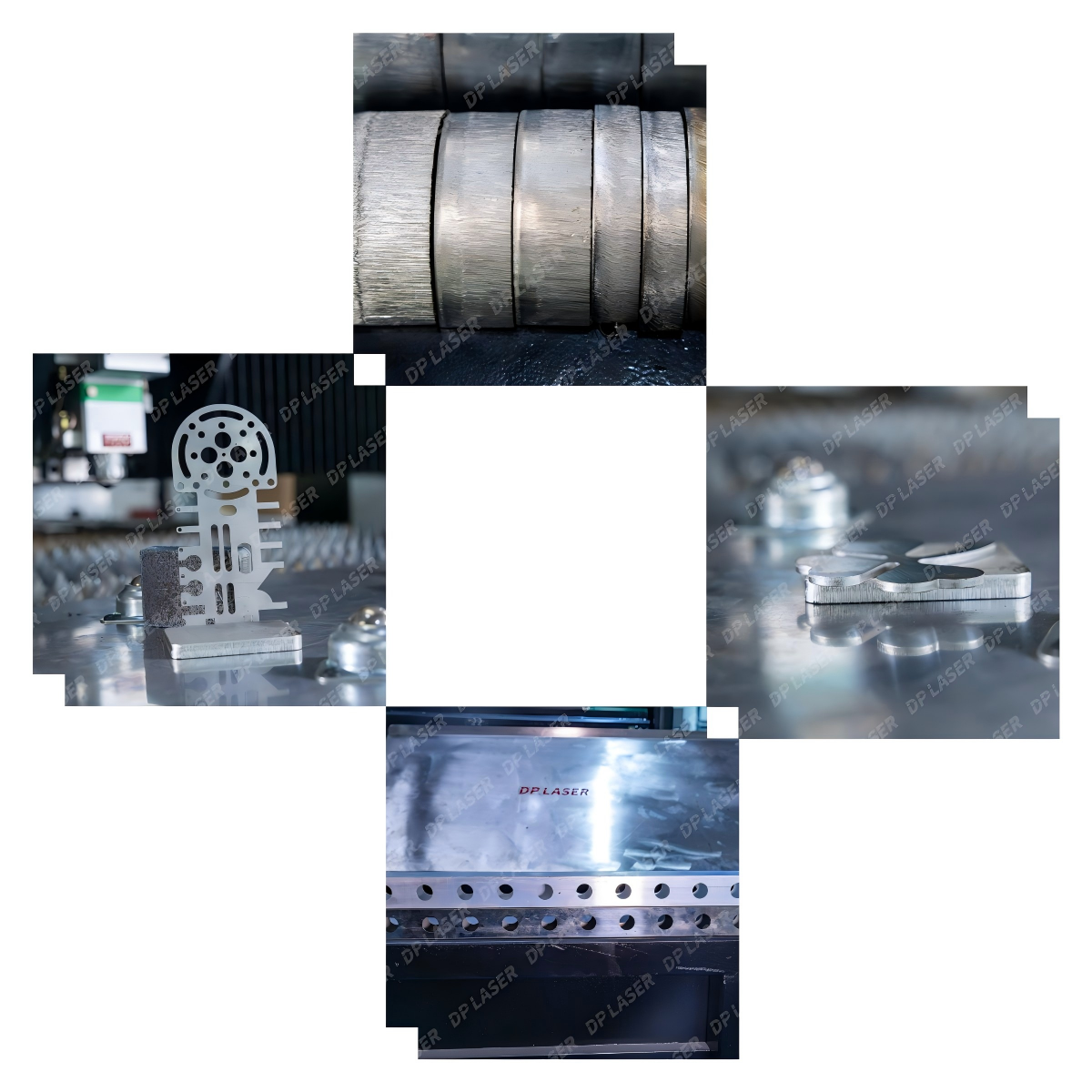
Making the Smart Decision
Investing in a laser cutting machine is a significant step that can solve production challenges and open new possibilities. The “best” machine is the one that becomes a reliable tool, allowing you to focus on your craft and customers.
Look for a partner that offers more than just a machine. Find one that provides a clear path forward, from understanding your initial needs to offering robust training and support. A manufacturer that builds its machines with industrial-grade components and proven structural designs—like solid welded beds and precision cast beams—is investing in your long-term productivity. Whether your needs are best met by a versatile flatbed machine or a dedicated tube cutting system, the right technology partner, such as DP Laser, can provide the guidance to make the optimal choice for the future of your workshop.