 EN
EN


Achieving burr-free cuts in metal through proper technique and tool selection.
One of the biggest challenges in metal fabrication is burrs. These rough, sharp edges represent more than just a nuisance; they signal significant profit loss due to the extra time spent on tedious secondary tasks like grinding and finishing. They increase handling risks, compromise the precise fit of assembled pieces, and waste valuable production time. Achieving clean, burr-free cuts is a standard every modern workshop should strive for, and with today's advanced knowledge and cutting technology, it is not just a possibility—it's an achievable reality.
To master burr-free results, you must first understand the problem. A burr is essentially material that failed to separate cleanly during the cutting process. In thermal cutting, this often happens when molten material re-solidifies at the bottom of the kerf instead of being fully ejected. Issues like incorrect assist gas type or pressure, insufficient cutting depth, or laser power mismatched to the material thickness all contribute to poor edge finishes. Every cut is a balance of parameters, and a burr is a clear sign that this balance is off.
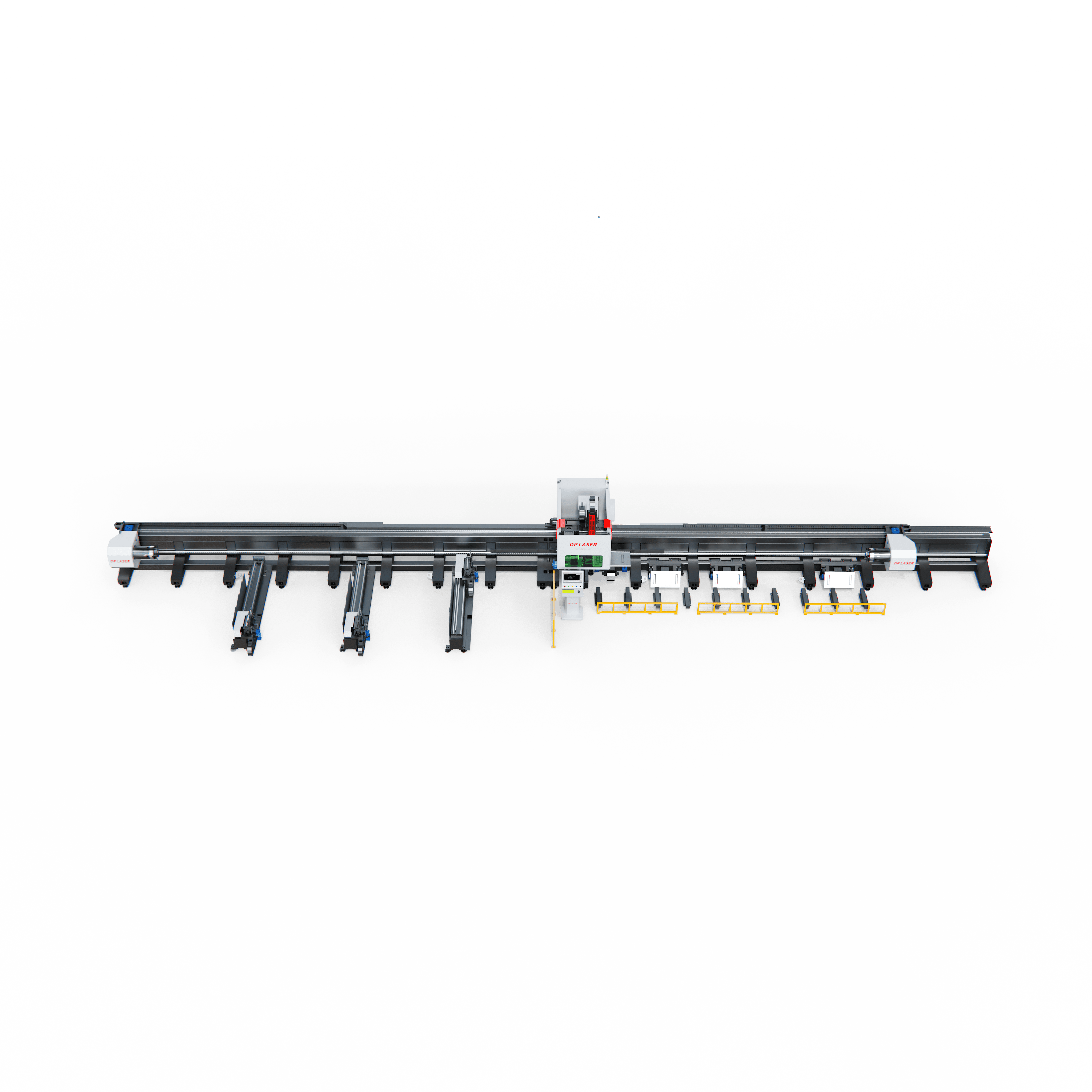
The Foundation: The Critical Role of Machine Engineering
It doesn't matter how powerful a laser is if it's mounted on an unstable frame; consistent, clean cuts will be impossible. The journey to burr-free cutting starts with a machine engineered for absolute stability. Vibration and deflection during high-speed movement are primary causes of inconsistent cut quality.
Modern high-performance laser cutters address this with purpose-built, heavy-duty structures designed to mitigate these forces. Consider a machine bed constructed from fully stress-relieved, welded carbon steel to prevent future warping. The moving crossbeam often utilizes aerospace-grade, high-pressure cast aluminum alloy, offering an exceptional strength-to-weight ratio. This design withstands twisting forces while enabling the rapid acceleration and deceleration needed for complex contours.
This robust mechanical foundation is paired with a precision drive system. High-rigidity gearboxes, premium-grade ground gear racks, and high-accuracy linear guides work in concert to translate digital commands into flawless physical movement. This creates the stable, reliable "canvas" essential for producing perfectly consistent cuts.
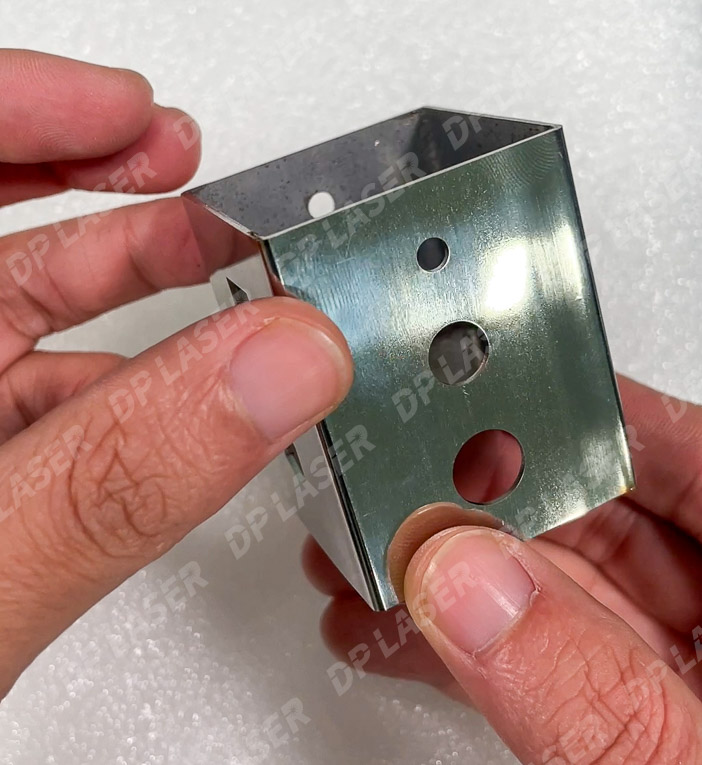
The Cutting Edge: Precision at the Point of Action
With a stable platform secured, focus shifts to the cutting head and the dynamic process itself, where multiple technologies converge to eliminate burrs.
The first element is the laser beam, focused through high-quality optics to a minute point, creating a narrow, clean kerf. Advanced systems maintain this focus automatically, adjusting for material surface variations. Next is the assist gas, which protects the lens and, crucially, ejects molten material from the cut. Gas pressure must be meticulously controlled: too low, and it won't clear the melt; too high, and it causes turbulence and irregular cooling, promoting burr formation. Sophisticated machines offer dynamic gas control, adjusting pressure in real-time based on the cutting path.
Equally important is the machine's ability to manage complex motion. When cutting sharp angles or intricate details, maintaining optimal speed is critical. Sudden deceleration can overheat the material, leading to dross—a type of burr. Advanced motion control algorithms with "look-ahead" processing allow the machine to plan a smooth, optimal path, managing accelerations to maintain uniform energy input along the entire cut edge for a clean finish.
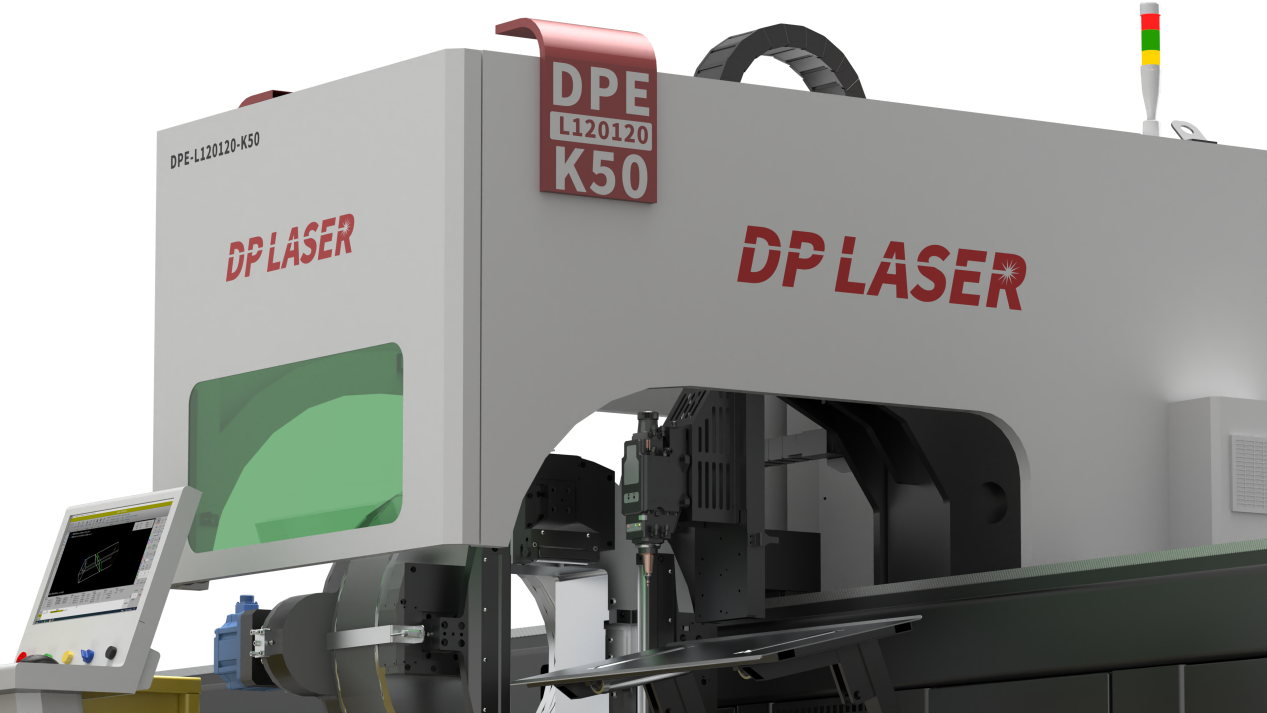
The Power of Process: Integrating Technology and Knowledge
Even the best hardware requires intelligent instructions. This is where integrated process databases and smart software become game-changers, acting as a built-in expert system. For common materials and thicknesses, the machine can automatically call up proven parameters for laser power, speed, focus, and gas pressure, eliminating guesswork and providing a reliable foundation for a burr-free first cut.
Specialized techniques further enhance results. For high-speed cutting of thin sheets, vibration-damping technologies are vital. Some systems employ low-pass filters to suppress high-frequency vibrations that degrade edge quality. For thicker materials, "clean cutting" functions may modulate power or gas at the cut's end to ensure a clean severance without a slag bead.
The success of this technological approach is evident. For example, a manufacturer in the competitive South African metal furniture industry adopted an automatic high-speed laser pipe cutting solution specifically to achieve smooth, burr-free cuts. This eliminated the need for secondary polishing, streamlined production, and enhanced product quality in the marketplace.
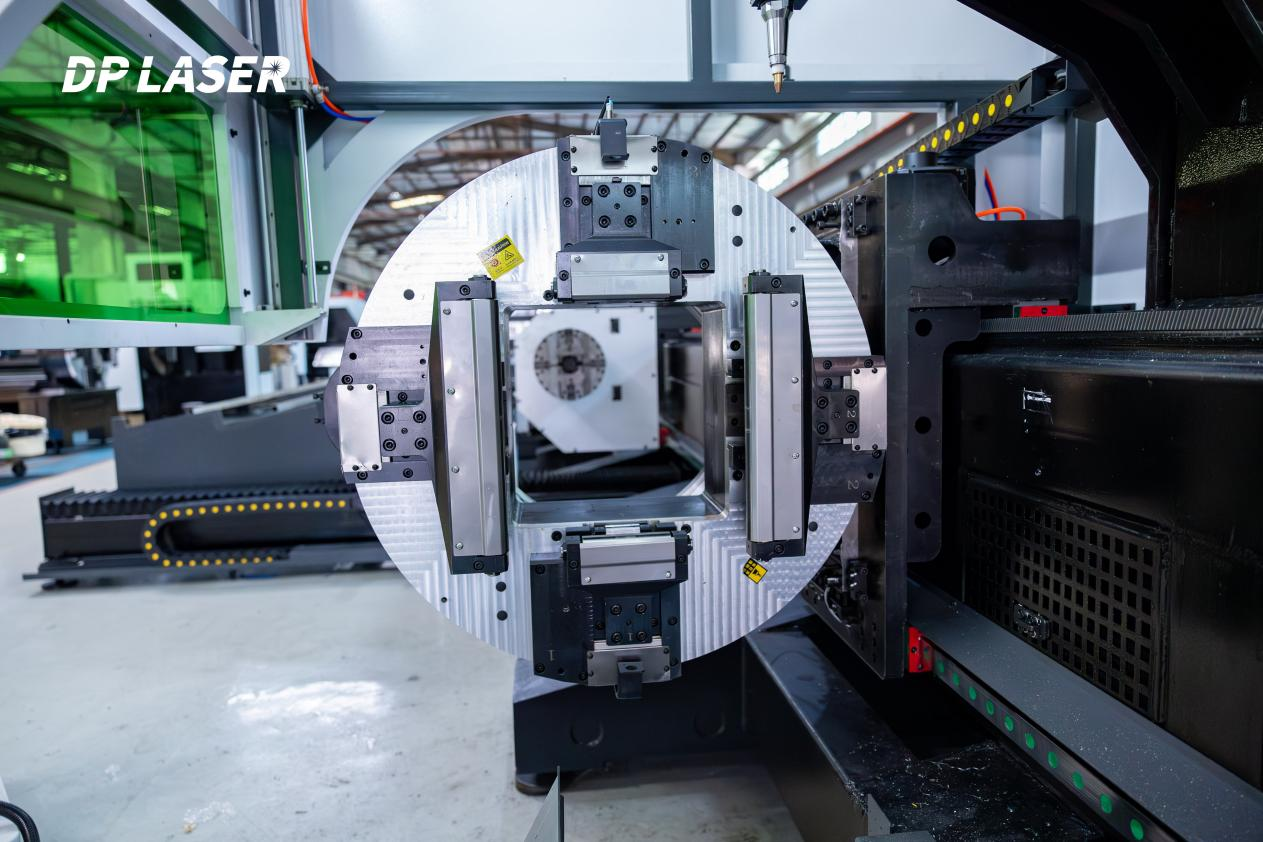
Choosing Your Partner for Flawless Production
Achieving consistent, burr-free results isn't just about purchasing a machine; it's about investing in a complete solution and a partnership. You need a provider whose expertise is embedded in both the hardware and the software. Look for a manufacturer that practices vertical integration, controlling the process from the structural engineering of the bed to the integration of the laser source and the development of cutting software. This deep control is key to the optimization required for flawless performance.
A true partner provides comprehensive support that extends beyon the hardware, encompassing initial application analysis, parameter optimization, operator training, and preventative maintenance guidance. They understand that your ultimate goal isn't to run a laser cutter, but to manufacture perfect parts efficiently. Companies like DP Laser, which focus on delivering full-scenario intelligent manufacturing solutions, embody this partnership approach. They design their systems, such as the high-speed CS Series or the robust S-Series, with the inherent stability and precision needed to tackle burr challenges head-on, empowering manufacturers to deliver superior quality directly from the shop floor.
In summary, eliminating burrs is a methodical endeavor. It integrates the unwavering stability of solid machinery, the precise application of energy, and the intelligent use of refined process data. By prioritizing these elements and collaborating with a technology partner dedicated to holistic solutions, manufacturers can transform a persistent quality challenge into a sustained competitive edge, saving time, reducing costs, and elevating the standard of their work.