 EN
EN

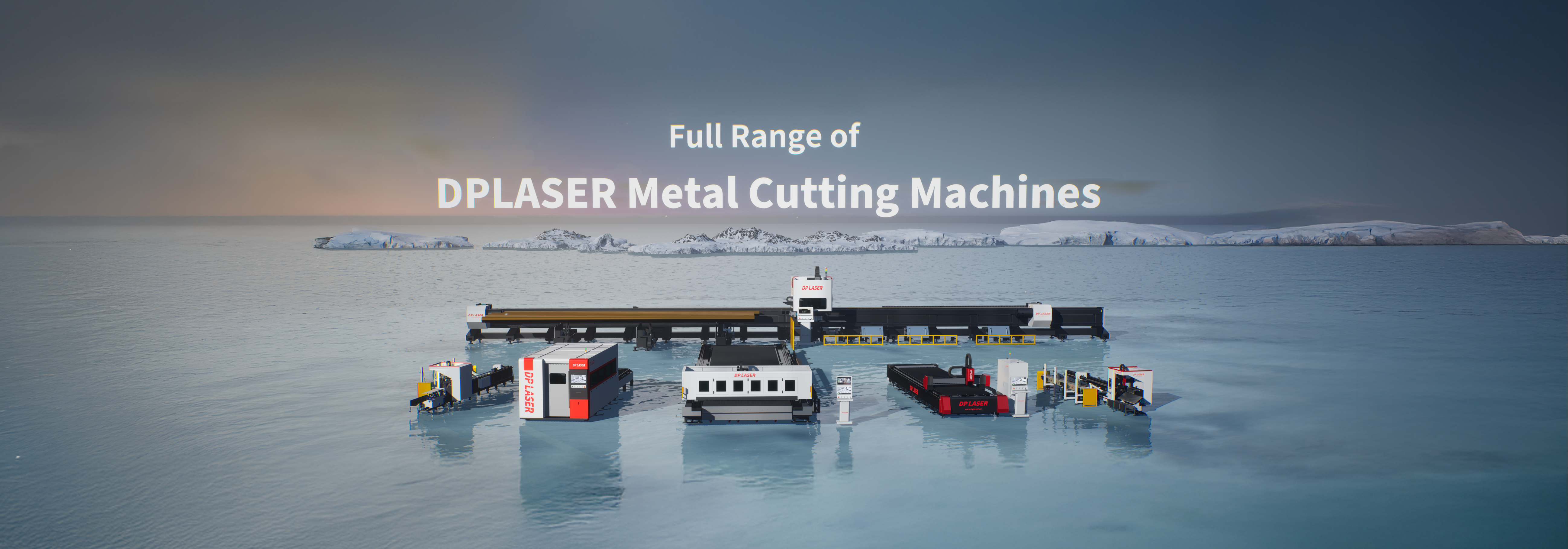
ส่งมอบประสิทธิภาพความเร็วสูงสำหรับโครงการแผ่นโลหะ
ลองนึกภาพว่าเป็นเช้าวันจันทร์ที่ยุ่งมาก ร้านของคุณเพิ่งรับงานเร่งด่วนสำหรับชิ้นส่วนแผ่นโลหะที่มีความซับซ้อนจำนวนห้าร้อยชิ้น ลูกค้าต้องการให้ส่งมอบภายในวันพุธ คุณมองไปที่เครื่องจักรของคุณแล้วสงสัยว่า มันจะสามารถตัดวัสดุทั้งหมดนี้ให้เสร็จทันเวลาได้จริงหรือไม่? มันจะลดความเร็วลงที่มุมต่างๆ หรือไม่? มันจะสะดุดหรือทำงานช้าลงเมื่อตัดบริเวณที่มีความหนาหรือไม่? หรือมันจะทำงานต่อเนื่องอย่างรวดเร็วและราบรื่น จนกระทั่งชิ้นส่วนชิ้นสุดท้ายหลุดออกมา?
คำถามนี้ทำให้เจ้าของร้านจำนวนมากนอนไม่หลับในตอนกลางคืน เพราะในธุรกิจนี้ ความเร็วไม่ใช่เพียงแค่คุณสมบัติที่น่าประทับใจเท่านั้น แต่คือวิธีที่คุณจะได้งานมาทำและรักษาความพึงพอใจของลูกค้าไว้ เมื่อคุณส่งมอบงานได้เร็วกว่าคู่แข่ง คุณก็จะได้งานนั้นมาทำ เมื่อเครื่องจักรของคุณทำงานช้าลงหรือขัดข้อง คุณก็จะพลาดกำหนดส่งและสูญเสียรายได้
ดังนั้น มาพูดคุยกันถึงสิ่งที่ประสิทธิภาพความเร็วสูงที่แท้จริงนั้นเป็นอย่างไร ในเครื่องตัดโลหะแผ่นด้วยเลเซอร์ — ไม่ใช่เพียงแค่ตัวเลขที่ระบุไว้ในโบรชัวร์เท่านั้น แต่คือสิ่งที่สำคัญจริงๆ เมื่อคุณมีกองโลหะที่ต้องตัดและกำหนดเวลาส่งงานกำลังใกล้เข้ามา
ความแตกต่างระหว่างความเร็วสูงสุดกับความเร็วที่แท้จริง
นี่คือสิ่งหนึ่งที่มักทำให้ผู้ซื้อหลายคนเข้าใจผิด: พวกเขาดูที่ความเร็วในการเคลื่อนที่แบบเร่งด่วนสูงสุด (rapid traverse speed) ซึ่งอาจสูงถึง 140 เมตรต่อนาที หรือตามที่ระบุไว้ในเอกสารข้อมูลจำเพาะ (spec sheet) แล้วจึงสรุปว่าเครื่องนั้นมีความเร็วสูง แต่ตัวเลขนั้นจะมีความหมายก็ต่อเมื่อหัวตัดกำลังเคลื่อนที่ผ่านอากาศเท่านั้น ไม่ใช่ขณะที่กำลังตัดโลหะ
ความเร็วที่แท้จริงนั้นต่างออกไป ความเร็วที่แท้จริงคือความเร็วที่เครื่องสามารถตัดผ่านวัสดุของคุณได้อย่างรวดเร็ว เครื่องตัดโลหะแผ่นด้วยเลเซอร์ที่ดีนั้นไม่เพียงแต่เคลื่อนที่เร็วเท่านั้น แต่ยังเร่งความเร็วได้เร็ว ชะลอความเร็วอย่างราบรื่น และไม่สูญเสียการเคลื่อนไหวโดยเปล่าประโยชน์ แม้เครื่องที่มีความเร็วสูงสุดสูงกว่าแต่มีอัตราเร่งต่ำ ก็ยังถูกเครื่องที่มีประสิทธิภาพดีกว่าแซงหน้าไปได้อย่างง่ายดาย
ลองคิดดูเหมือนรถบรรทุกส่งของในเมือง รถบรรทุกที่วิ่งได้เร็วถึง 200 ไมล์ต่อชั่วโมงบนทางหลวงก็ไร้ประโยชน์ หากใช้เวลานานมากในการเร่งความเร็วขึ้นใหม่ทุกครั้งที่หยุดที่สัญญาณไฟจราจร สิ่งที่สำคัญคือประสิทธิภาพในการรับมือกับสภาพแวดล้อมจริง ซึ่งก็เช่นเดียวกันกับเลเซอร์ของคุณ ชิ้นส่วนที่คุณตัดจะมีจุดเริ่มต้นและจุดสิ้นสุดนับพันจุด มีมุมโค้งนับพันจุด และมีรายละเอียดเล็กๆ นับพันจุด เครื่องจักรที่สามารถจัดการกับงานเหล่านี้ได้อย่างมีประสิทธิภาพ จะเอาชนะเครื่องจักรที่ 'เร็วกว่า' ได้เสมอ
เหตุใดเพียงแค่กำลังไฟฟ้าจึงไม่เพียงพอ
แต่ทั้งนี้ ผมไม่ได้หมายความว่ากำลังไฟฟ้าไม่มีความสำคัญ เมื่อคุณตัดแผ่นโลหะที่หนา คุณจำเป็นต้องใช้กำลังวัตต์ (Watts) เลเซอร์ที่มีกำลังสูงกว่าจะตัดผ่านวัสดุหนักได้เร็วกว่า — นี่คือหลักฟิสิกส์พื้นฐาน
อย่างไรก็ตาม กำลังไฟฟ้าโดยปราศจากการควบคุมที่แม่นยำ ก็เป็นเพียงวิธีหนึ่งที่ทำให้เกิดเศษวัสดุที่เสียเปล่าและมีราคาแพง หากเครื่องจักรไม่สามารถควบคุมกำลังไฟฟ้านั้นได้อย่างแม่นยำ มันจะเผาไหม้วัสดุบางจนทะลุ มันจะทิ้งรอยขอบที่หยาบกร้านไว้บนวัสดุหนา และจะสิ้นเปลืองเวลาโดยเปล่าประโยชน์ขณะที่คุณปรับแต่งพารามิเตอร์ต่างๆ
เคล็ดลับที่แท้จริงคือการรักษาสมดุล คุณต้องมีกำลังเพียงพอที่จะตัดวัสดุหนาได้อย่างมีประสิทธิภาพ แต่ก็ยังต้องมีความแม่นยำในการจัดการแผ่นบางๆ โดยไม่ทำให้เสียหาย ซึ่งสิ่งนี้จำเป็นต้องอาศัยคุณภาพของลำแสงที่ดี ซอฟต์แวร์อันชาญฉลาด และหัวตัดที่สามารถคงตำแหน่งได้อย่างแม่นยำเสมอ ไม่ว่าจะทำงานในสภาวะใดก็ตาม
เครื่องตัดโลหะแผ่นด้วยเลเซอร์ที่ออกแบบมาอย่างดีจะมอบทั้งสองสิ่งนี้ให้คุณ มันสามารถปล่อยกำลังสูงสุดเมื่อคุณต้องการ แต่ก็สามารถลดกำลังลงทันทีทันใดเมื่องานเริ่มละเอียดอ่อน ความยืดหยุ่นนี้หมายความว่าเครื่องเพียงเครื่องเดียวสามารถจัดการกับงานเกือบทุกประเภทที่คุณมอบหมายให้มันทำได้
สิ่งที่แท้จริงแล้วทำให้คุณช้าลง
ขอให้ผมพาคุณผ่านปัจจัยต่างๆ ที่ทำให้ความเร็วลดลงในการทำงานทั่วไป เพราะเมื่อคุณรู้ว่าอะไรคือสาเหตุที่ทำให้คุณช้าลง คุณก็จะรู้ว่าควรมองหาคุณสมบัติใดบ้างในเครื่องจักร
เวลาเจาะ (Piercing time) เป็นหนึ่งในปัจจัยหลัก ทุกๆ รูหรือจุดเริ่มต้นของการตัดจะใช้เวลาในการเจาะ หากเครื่องของคุณเจาะช้า ระยะเวลาเพียงไม่กี่วินาทีเหล่านี้จะสะสมขึ้นอย่างรวดเร็วเมื่อต้องผลิตชิ้นส่วนหลายร้อยชิ้น เครื่องที่ดีสามารถเจาะได้อย่างรวดเร็วและเชื่อถือได้ แม้กระทั่งกับวัสดุที่มีความหนา
จากนั้นมีมุมต่างๆ ที่หัวตัดต้องเผชิญ เมื่อหัวตัดมาถึงทางเลี้ยวที่คมชัด มันจำเป็นต้องลดความเร็วลงเพื่อไม่ให้สูญเสียการตัด ปริมาณที่ลดความเร็วลงนั้นขึ้นอยู่กับระบบควบคุม โดยระบบที่ชาญฉลาดจะทำนายล่วงหน้าว่าจะมีมุมเกิดขึ้น และจัดการการลดความเร็วอย่างราบรื่น ในขณะที่ระบบที่ไม่ชาญฉลาดจะเบรกแบบกระทันหัน ส่งผลให้สูญเสียเวลาและทิ้งรอยบนชิ้นงาน
การเร่งความเร็วระหว่างการตัดแต่ละครั้งก็มีความสำคัญเช่นกัน ทุกครั้งที่หัวตัดเสร็จสิ้นการตัดลักษณะหนึ่งแล้วเคลื่อนย้ายไปยังลักษณะถัดไป มันจะเร่งความเร็วและลดความเร็วลง ดังนั้นเครื่องจักรที่มีระบบขับเคลื่อนทรงพลังและมวลส่วนที่เคลื่อนที่มีน้ำหนักเบาจึงสามารถเร่งความเร็วได้เร็วกว่า จึงสูญเสียเวลาน้อยลงในระหว่างการเคลื่อนย้าย
และสุดท้ายคือความน่าเชื่อถือ ซึ่งมีความสำคัญอย่างยิ่ง เครื่องจักรที่ขัดข้องหรือแสดงข้อผิดพลาดทุกๆ ไม่กี่ชั่วโมงนั้นไม่ถือว่าเร็ว ไม่ว่าข้อมูลจำเพาะจะระบุไว้อย่างไรก็ตาม เพราะคุณจะไม่สามารถสร้างรายได้ได้เลย หากต้องคอยรีเซ็ตเครื่องอยู่ตลอดเวลา หรือรอการเข้าให้บริการจากทีมเทคนิค
ซอฟต์แวร์อัจฉริยะช่วยให้คุณดำเนินงานต่อเนื่องได้อย่างไร
นี่คือจุดที่เกิดสิ่งมหัศจรรย์ขึ้น ฮาร์ดแวร์มีความสำคัญ แต่ซอฟต์แวร์คือสิ่งที่ผสานทุกส่วนเข้าด้วยกันอย่างกลมกลืน ระบบควบคุมสมัยใหม่มีความชาญฉลาดอย่างยิ่ง สามารถทำสิ่งต่าง ๆ ที่เมื่อสิบปีก่อนอาจดูเหมือนเป็นนิยายวิทยาศาสตร์
ซอฟต์แวร์ที่ดีสามารถวางแผนเส้นทางการตัดโดยอัตโนมัติ โดยจะวิเคราะห์ชิ้นส่วนของคุณและกำหนดลำดับการตัดที่มีประสิทธิภาพสูงสุด ลดเวลาในการเคลื่อนย้ายหัวตัดระหว่างการตัดแต่ละชิ้น รวมทั้งยังตัดสินใจด้วยว่าควรวางจุดเริ่มต้น (lead in) และจุดสิ้นสุด (lead out) ที่ตำแหน่งใด เพื่อให้ขอบของชิ้นงานเรียบเนียน
บางระบบสามารถปรับพารามิเตอร์แบบเรียลไทม์ได้ โดยเฝ้าสังเกตการตัดในขณะทำงานจริง และปรับค่ากำลังไฟ ความเร็ว และแรงดันแก๊สอย่างแม่นยำเพื่อรักษาคุณภาพการตัดให้สมบูรณ์แบบ หากความหนาของวัสดุเปลี่ยนแปลงเล็กน้อย ซอฟต์แวร์จะปรับค่าชดเชยทันที คุณจึงไม่จำเป็นต้องลดความเร็วเพื่อหลีกเลี่ยงปัญหาใด ๆ
และระบบชั้นยอดจะเรียนรู้และพัฒนาขึ้นเรื่อยๆ ตามระยะเวลา ระบบเหล่านี้ติดตามประสิทธิภาพการทำงานและแจ้งเตือนคุณล่วงหน้าก่อนที่อุปกรณ์ใดๆ จะเสียหาย รวมทั้งช่วยให้คุณวางแผนการบำรุงรักษาได้อย่างมีประสิทธิภาพ เพื่อไม่ให้เกิดการหยุดทำงานแบบไม่คาดฝัน ความฉลาดลักษณะนี้จะทำให้เครื่องตัดโลหะแผ่นด้วยเลเซอร์ของคุณทำงานได้ที่ความเร็วสูงสุดอย่างต่อเนื่องทุกวัน
การทดสอบในโลกแห่งความเป็นจริง: ประสบการณ์ในระดับใหญ่
นี่คือจุดที่เราได้กล่าวถึงสิ่งที่แท้จริงซึ่งทำให้เครื่องจักรที่ดีแตกต่างจากเครื่องจักรที่ยอดเยี่ยม ผู้ผลิตทั่วไปสามารถสร้างเลเซอร์ที่ดูดีบนกระดาษได้ แต่การสร้างเลเซอร์ที่ใช้งานได้จริงในโรงงานจริง ด้วยผู้ปฏิบัติงานจริง และตัดชิ้นส่วนจริงได้ตลอดทั้งวันทั้งคืนนั้น จำเป็นต้องอาศัยประสบการณ์ที่สั่งสมมา
ลองพิจารณาดูว่าผู้ผลิตจะเรียนรู้อะไรบ้างหลังจากขายเครื่องจักรไปแล้วมากกว่า 25,000 เครื่อง พวกเขาได้เห็นวัสดุทุกชนิด ได้เห็นข้อผิดพลาดทุกรูปแบบที่ผู้ปฏิบัติงานอาจก่อขึ้น ได้เห็นสิ่งที่ชำรุดและสิ่งที่คงทน รวมทั้งได้เห็นการออกแบบใดบ้างที่ใช้งานได้จริง และการออกแบบใดบ้างที่ก่อให้เกิดปัญหา
ห่วงโซ่การให้ข้อเสนอแนะแบบนี้มีค่าอย่างยิ่ง เมื่อบริษัทหนึ่งๆ ได้ผลิตเครื่องจักรมาตั้งแต่ปี ค.ศ. 2011 บริษัทนั้นก็มีเวลาเพียงพอในการแก้ไขข้อบกพร่องต่างๆ พวกเขาได้ปรับปรุงการออกแบบของตนโดยอิงจากข้อมูลจริงที่ได้จากภาคสนาม ไม่ใช่เพียงแค่ผลการทดสอบในห้องปฏิบัติการเท่านั้น พวกเขาทราบดีว่าแบริ่งที่ติดตั้งในตำแหน่งนี้จะเสียหายหลังใช้งานไปสองปี จึงออกแบบใหม่เพื่อแก้ไขปัญหานั้น และพวกเขายังรู้ด้วยว่าโปรแกรมซอฟต์แวร์ชุดนี้ก่อให้เกิดความผิดพลาดเป็นครั้งคราว จึงเขียนโค้ดใหม่ทั้งหมด
บริษัทอย่าง DP Laser มีประสบการณ์เช่นนี้อย่างแท้จริง โดยมีฐานการผลิตขนาดใหญ่สองแห่งตั้งอยู่ที่ตงกวนและหนานถง ทำให้บริษัทมีศักยภาพในการผลิตเครื่องจักรมากกว่า 20,000 เครื่องต่อปี ด้วยทีมงานผู้เชี่ยวชาญมากกว่า 430 คน บริษัทจึงมีความเชี่ยวชาญทางวิศวกรรมลึกซึ้งเพียงพอที่จะแก้ไขปัญหาที่ซับซ้อนได้อย่างมีประสิทธิภาพ และด้วยสำนักงานสาขาทั่วโลกมากกว่า 20 แห่ง บริษัทจึงสามารถสังเกตเห็นว่าอะไรคือสิ่งที่ใช้งานได้ดีในแต่ละตลาดและแต่ละแอปพลิเคชัน
ประสบการณ์นั้นถูกผสานเข้าไปในทุกเครื่องจักรอย่างลึกซึ้ง ซึ่งหมายความว่า เครื่องตัดโลหะแผ่นด้วยเลเซอร์ที่คุณซื้อในวันนี้ได้รับการทดสอบมาแล้วในโรงงานนับพันแห่งทั่วโลก ปัญหาต่างๆ ได้รับการค้นพบและแก้ไขเรียบร้อยแล้ว และการออกแบบได้รับการปรับแต่งให้เหมาะสมกับสภาพการใช้งานจริง
ผลลัพธ์ที่เห็นได้ชัดเจน
ขอให้ผมย้อนกลับไปพูดถึงสิ่งที่เรียบง่ายกว่านี้ก่อน คุณไม่ได้ซื้อเครื่องเลเซอร์เพราะชื่นชอบเครื่องจักรที่มีผิวมันวาว แต่คุณซื้อมันเพื่อสร้างรายได้ ทุกนาทีที่เครื่องจักรนี้ทำงาน ควรจะสร้างรายได้เข้ากระเป๋าคุณ แต่ทุกนาทีที่มันหยุดนิ่ง ก็เท่ากับเป็นต้นทุนของคุณ
ประสิทธิภาพความเร็วสูงคือการเพิ่มจำนวนนาทีที่เครื่องจักรทำงานให้มากที่สุด มันคือการผลิตชิ้นส่วนได้มากขึ้นต่อหนึ่งชั่วโมง ทุกชั่วโมง ทุกกะงาน มันคือการรับงานที่คุณเคยทำได้ไม่สำเร็จมาก่อน เพราะตอนนี้คุณมีความเร็วเพียงพอที่จะส่งมอบงานได้ตามกำหนด
แต่สิ่งนี้ยังเกี่ยวข้องกับความมั่นคงใจด้วย เมื่อคุณมั่นใจว่าเครื่องจักรของคุณสามารถรับมือกับภาระงานใดๆ ที่คุณมอบหมายให้มันได้ คุณก็จะนอนหลับได้อย่างสบายใจยิ่งขึ้น คุณจึงกล้ารับงานขนาดใหญ่ขึ้น และผลักดันธุรกิจของคุณก้าวหน้าต่อไป
นั่นคือมูลค่าที่แท้จริงของเครื่องตัดโลหะแผ่นด้วยเลเซอร์ที่ออกแบบมาอย่างดี ไม่ใช่เพียงแค่ข้อมูลจำเพาะ หรือความเร็วสูงสุดเท่านั้น แต่คือความมั่นใจที่เกิดขึ้นจากการรู้ว่าอุปกรณ์ของคุณจะทำงานได้อย่างเชื่อถือได้ทุกวัน ทุกปี
รวมทุกอย่างเข้าด้วยกัน
ดังนั้น นี่คือสิ่งที่ผมจะบอกคุณ หากคุณกำลังมองหาเครื่องจักรใหม่ โปรดมองให้ลึกกว่าโบรชัวร์ แล้วพิจารณาสิ่งที่แท้จริงแล้วมีความสำคัญ
พิจารณาว่าเครื่องจักรจัดการกับมุมและรายละเอียดเล็กๆ ได้ดีเพียงใด พิจารณาความเร็วในการเร่งความเร็วของเครื่องจักร พิจารณาซอฟต์แวร์และระดับความชาญฉลาดของมัน รวมทั้งพิจารณาบริษัทผู้ผลิตเครื่องจักรนั้นๆ ว่ามีประสบการณ์จริงในภาคอุตสาหกรรมหรือไม่
เครื่องจักรจากผู้ผลิตที่ดำเนินธุรกิจมานานกว่าหนึ่งทศวรรษ และมีการติดตั้งใช้งานจริงแล้วหลายหมื่นเครื่องทั่วโลก ย่อมเป็นตัวเลือกที่ปลอดภัยกว่าเมื่อเทียบกับผลิตภัณฑ์จากผู้เล่นหน้าใหม่ เพราะผู้ผลิตเหล่านั้นได้เผชิญปัญหามาแล้วและแก้ไขปัญหาเหล่านั้นได้ รวมทั้งปรับปรุงแบบการออกแบบตามข้อเสนอแนะจริงจากโรงงานตัดโลหะที่มีลักษณะคล้ายกับโรงงานของคุณ
เมื่อคุณพบการผสมผสานที่ลงตัวระหว่างการออกแบบอันชาญฉลาด ซอฟต์แวร์อัจฉริยะ และความน่าเชื่อถือที่พิสูจน์แล้ว คุณก็จะได้พบกับเครื่องจักรที่สามารถมอบประสิทธิภาพในการทำงานด้วยความเร็วสูงได้นานหลายปี และนี่คือวิธีที่คุณจะประสบความสำเร็จในธุรกิจนี้