 EN
EN

Quali sono le migliori applicazioni di un saldatore laser portatile nel settore edile?
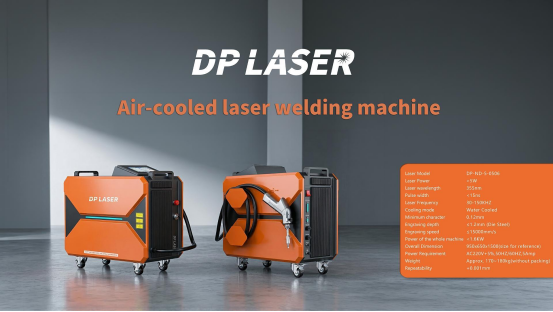
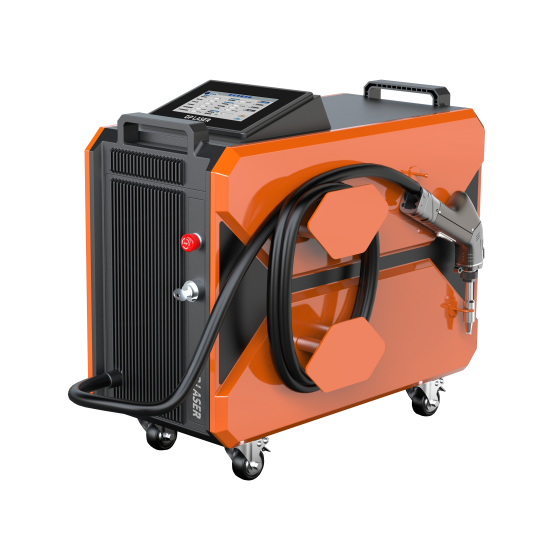
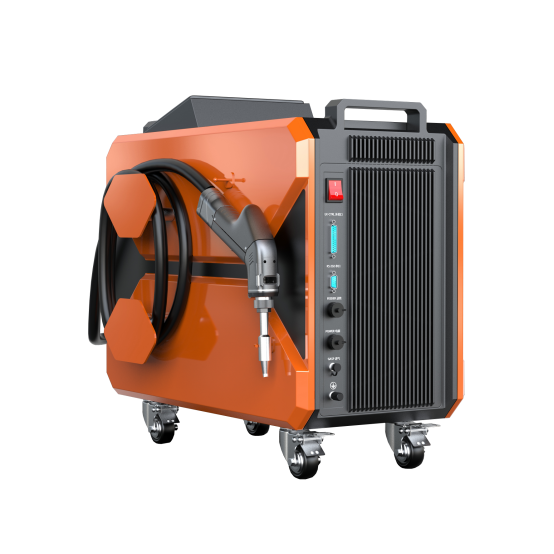
Se hai trascorso del tempo in un cantiere edile, sai bene che le condizioni sono raramente ideali. Lavori in spazi ristretti, su ponteggi o all’aperto, esposto alle intemperie. I materiali da unire sono spesso pesanti, ingombranti o già posizionati. Trasportarli nuovamente in officina per la saldatura non è un’opzione praticabile. È qui che un saldatore laser portatile cambia completamente le cose. Si tratta di una macchina per la saldatura che puoi trasportare direttamente sul luogo di lavoro, garantendo la stessa precisione e saldature pulite di un sistema fisso, ma con la mobilità richiesta dai cantieri edili.
Installazione, riparazione e fabbricazione in loco
Pensa a tutti gli elementi che vengono installati in cantiere: ringhiere, scale, supporti strutturali, dettagli architettonici. Questi componenti provengono dal laboratorio di carpenteria metallica, ma raramente si adattano perfettamente. Le pareti non sono perfettamente dritte e i pavimenti non sono perfettamente livellati. Qualcosa richiede sempre una regolazione. Con un saldatore laser portatile, puoi effettuare tali regolazioni sul posto: fissi temporaneamente il componente nella posizione desiderata, verifichi l’adattamento e quindi lo saldi definitivamente. Niente trasporto di nuovo al laboratorio, niente attesa che qualcun altro lo ripari. Il lavoro prosegue senza interruzioni.
Anche le riparazioni seguono lo stesso schema. Le attrezzature si rompono. Le barriere di sicurezza subiscono danni. I corrimano si allentano. Una saldatrice laser portatile consente di effettuare la riparazione direttamente sul posto. La riparazione è resistente, pulita e permanente. Inoltre, non è necessario smontare metà della struttura per accedervi. A volte serve qualcosa che non era previsto nel progetto: una staffa qui, un supporto là, una modifica rapida per far funzionare un componente. Con una saldatrice laser portatile, è possibile realizzarlo in loco: si prende del materiale di scarto, lo si taglia alle dimensioni richieste e lo si salda. Fatto. Il componente è resistente, la saldatura è pulita e il lavoro prosegue senza interruzioni. Per i capicantiere e i caposquadra, questa capacità risolve i problemi rapidamente e mantiene i team al lavoro.
Applicazioni specializzate: acciaio inossidabile e strutture
Gli edifici moderni utilizzano una grande quantità di acciaio inossidabile: ringhiere, facciate ed elementi decorativi. L’acciaio inossidabile ha un aspetto gradevole, ma è difficile da saldare. Troppo calore lo deforma; le contaminazioni ne alterano il colore. I metodi tradizionali di saldatura faticano a gestirlo. La saldatura laser, invece, tratta l’acciaio inossidabile in modo eccellente: l’apporto termico è basso e concentrato, e il cordone di saldatura risulta pulito, privo di schizzi e con una minima deformazione. Con un saldatore laser portatile, è possibile eseguire questo lavoro direttamente sul posto in cui il componente verrà installato: si seguono con precisione le curve, si aderisce perfettamente alle linee e si ottiene una finitura impeccabile. Per i lavori architettonici, in cui l’aspetto estetico è fondamentale, questo rappresenta un vantaggio notevole: niente rettifica, niente lucidatura, solo una saldatura pulita che sembra parte integrante del progetto.
L'acciaio strutturale è la spina dorsale di qualsiasi edificio di grandi dimensioni: travi, pilastri, controventi. La maggior parte di queste saldature viene eseguita in officina, ma non tutta. Le connessioni sul campo, le giunzioni e le riparazioni vengono effettuate in loco. Un saldatore laser portatile offre un metodo migliore per realizzare tali connessioni. La penetrazione è profonda, la zona termicamente alterata è ristretta e il cordone di saldatura è resistente. Inoltre, poiché la macchina è portatile, la si porta alla trave anziché viceversa. Questo è fondamentale quando si lavora in quota: trasportare una trave a terra per saldarla non è pratico, mentre saldarla in posizione con un saldatore laser portatile lo è.
Manipolazione di tubi, profilati e metalli dissimili
I cantieri edili sono pieni di tubi e tubazioni: linee per l'acqua, linee per il gas, ringhiere, tubi strutturali. Molti di essi vengono saldati in spazi ristretti. Una saldatrice laser portatile gestisce efficacemente il lavoro su tubi e tubazioni: è possibile eseguire la saldatura lungo tutta la circonferenza e raggiungere gli angoli in cui una fiamma non potrebbe entrare. Inoltre, poiché la saldatura è estremamente precisa, si utilizza meno materiale d’apporto e si ottiene un giunto più resistente. Nel caso di tubi in acciaio inossidabile, il vantaggio è ancora maggiore: nessuna ossidazione sul lato posteriore, nessuna pulizia necessaria all’interno del tubo, ma solo una saldatura pulita con penetrazione completa.
Anche nell’edilizia talvolta è necessario unire metalli diversi: acciaio inossidabile ad acciaio al carbonio, alluminio ad acciaio. Questi giunti presentano notevoli difficoltà, dovute ai diversi punti di fusione, ai differenti coefficienti di dilatazione termica e ai rischi di corrosione. La saldatura laser offre un maggiore controllo: l’immissione precisa di calore consente di gestire efficacemente tali sfide. Si ottiene così un giunto più resistente e con minor rischio di fessurazioni o di corrosione galvanica nel tempo. Una saldatrice laser portatile rende questa capacità disponibile ovunque sul cantiere.
L'impatto nel mondo reale: mobilità, velocità e qualità
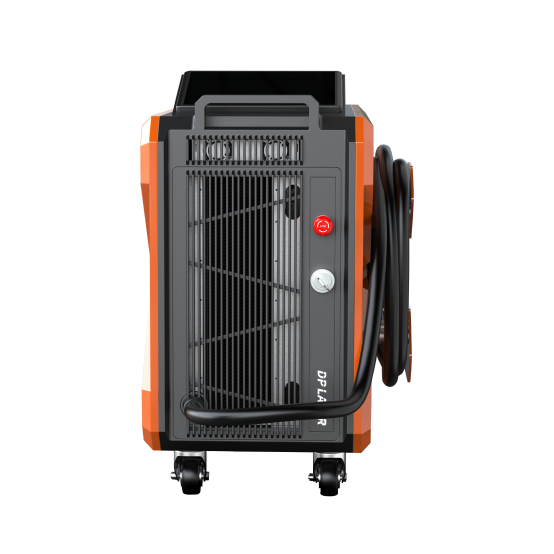
Parliamo di cosa significhi realmente "portatile". Queste macchine non sono minuscole, ma sono spostabili. Una sola persona può caricarle su un camion. Passano attraverso le porte. Vengono sollevate con i montacarichi. Giungono direttamente sul luogo di lavoro. Ciò modifica il modo in cui pianificate un intervento. Invece di programmare le saldature in base alla disponibilità del laboratorio, le programmate in base al lavoro stesso. La saldatura avviene quando e dove serve. Per gli appaltatori che partecipano a gare d'appalto, questa flessibilità rappresenta un vantaggio competitivo. Potete garantire tempi di consegna più rapidi, poiché non è necessario trasportare i materiali avanti e indietro.
La saldatura laser è veloce. Molto più veloce della saldatura TIG e spesso più veloce della saldatura ad elettrodo o MIG per determinati giunti. Le velocità di avanzamento sono superiori. La pulizia è minore. Il ritocco è quasi nullo. Quando si inserisce questa velocità in un pacchetto portatile, il vantaggio si moltiplica. Non si sta semplicemente saldando più velocemente: si sta saldando più velocemente proprio dove occorre intervenire. Niente tempo di trasferimento. Niente tempo di movimentazione. Si salda e si passa al successivo. Per una squadra che lavora contro una scadenza, questa velocità fa la differenza.
Le saldature edili non sono sempre esteticamente perfette. Le saldature ad elettrodo lasciano scoria. Le saldature MIG lasciano schizzi. Spesso è necessario eseguire una rettifica semplicemente per rendere accettabile il cordone di saldatura. Le saldature laser sono diverse. Sono pulite già all’uscita della pistola. Nessuna scoria. Nessuno schizzo. Distorsione minima. Per lavori a vista, ciò consente di risparmiare molto tempo nella fase di finitura. Per lavori strutturali, significa minori concentrazioni di tensione e maggiore durata a fatica. Quando si salda un elemento visibile, come una ringhiera o un montante di scala, questa qualità è fondamentale: appare professionale e denota cura.
Scegliere lo Strumento Giusto per il Lavoro
Se state valutando un saldatore laser portatile per lavori edili, alcuni aspetti sono fondamentali. La potenza è cruciale: è necessaria una potenza sufficiente per penetrare nei materiali che salderete più di frequente. Per la maggior parte dei lavori edili, una potenza compresa tra 1500 e 2000 watt copre la gran parte delle esigenze. Anche il peso e la robustezza sono fattori determinanti: la portabilità implica doverlo spostare frequentemente, e i cantieri costituiscono un ambiente particolarmente gravoso per le attrezzature. Cercate un design che bilanci potenza e praticità, con una costruzione solida e una protezione adeguata per ottica ed elettronica. Anche la facilità d’uso è essenziale: il vostro personale non ha tempo da perdere con impostazioni complesse. Una macchina dotata di comandi intuitivi e di preset preconfigurati per i materiali più comuni permette di risparmiare tempo e ridurre gli errori.
Da DP Laser costruiamo attrezzature che funzionano dove avviene il lavoro. I nostri saldatori laser portatili sono progettati per le esigenze reali dei cantieri edili: sono sufficientemente potenti per lavori strutturali, sufficientemente precisi per dettagli architettonici e sufficientemente robusti da resistere a condizioni di utilizzo gravose. Operiamo in questo settore dal 2011, con oltre 20.000 macchine installate sul campo e più di 430 professionisti nel nostro team. Sappiamo cosa funziona e cosa no, e offriamo supporto ai nostri clienti ben oltre la fase di vendita.
I saldatori laser portatili non sostituiscono ogni tipo di saldatura. Tuttavia, per i lavori effettuati in cantiere, risultano difficilmente eguagliabili: portano la saldatura direttamente sul pezzo, consentendo di risparmiare tempo, migliorare la qualità e risolvere problemi. Per gli appaltatori che eseguono frequentemente saldature in campo, meritano sicuramente un’attenta valutazione.