 EN
EN


Why is automatic loading important for a tube laser cutting machine?
If you work with tube cutting, you already know the drill. You have racks of raw material waiting. You have orders to fill. And every piece you cut has to be measured, positioned, and fed into the machine. When you are doing that by hand, it takes time. It takes labor. And it leaves room for mistakes. That is where automatic loading changes the game.
A tube laser cutting machine with automatic loading does more than just cut. It handles the material from start to finish. It pulls the tube from the rack, measures it, positions it, and feeds it into the cutting area. The operator sets the job and walks away. The machine does the rest. And that shift from manual to automatic makes a bigger difference than a lot of people realize.
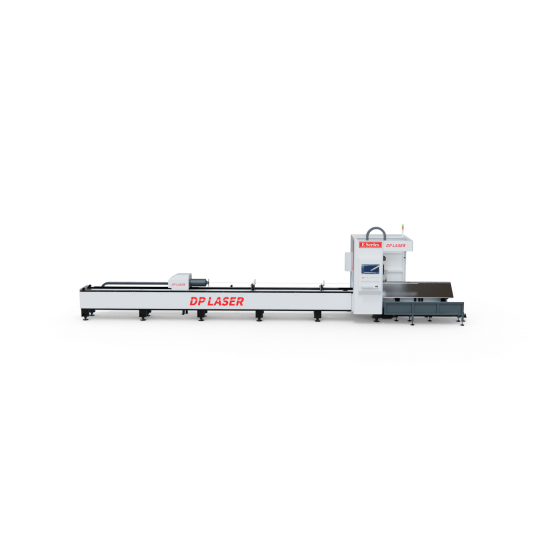
The Problem With Manual Loading
Let us be honest about what manual loading looks like. An operator has to grab a tube, lift it onto the machine, and push it into position. For short, light tubes, that is not too bad. But tubes come in all sizes. Long tubes are awkward to handle. Heavy tubes strain backs and shoulders. And after a few hours of that, people get tired. Tired people make mistakes.
Manual loading also takes time. The machine sits idle while the operator fetches the next piece. That idle time adds up over a shift. It adds up over a week. It adds up over a year. And all that lost time is lost production.
Then there is accuracy. When you load a tube by hand, you eyeball the position. You push it in until it looks right. But looks right is not the same as exactly right. If the tube is off by a few millimeters, your cuts will be off too. Parts come out wrong. Scrap piles up.
How Automatic Loading Changes the Workflow
With automatic loading, the process runs smooth. The machine has a storage rack or magazine that holds multiple tubes. When it finishes one piece, it automatically grabs the next. There is no waiting. There is no guessing. The system positions the tube precisely every time.
The operator loads the rack at the start of the shift. Maybe once or twice a day, depending on volume. The rest of the time, the machine runs unattended. That frees up the operator to do other things. Inspect parts. Package finished work. Set up the next job. The labor gets used where it matters most.
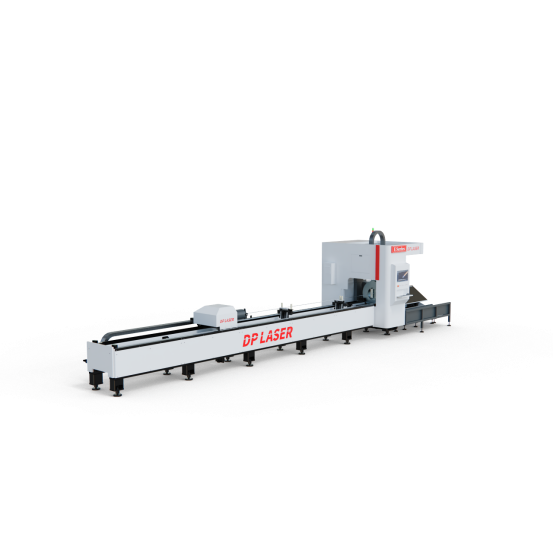
Consistency and Quality Go Hand in Hand
When every tube loads the same way, every cut comes out the same. The machine knows exactly where the end of the tube is. It knows exactly where the start of the cut should be. There is no variation from piece to piece.
That consistency matters for fit-up. If you are cutting tubes that will be welded into a frame, they have to match. If one piece is off by a little and the next is off by a little the other way, they will not fit. Automatic loading takes that variable out of the equation.
It also matters for nesting. When you know exactly where the tube starts, you can pack parts closer together. You waste less material. You get more parts from every length.
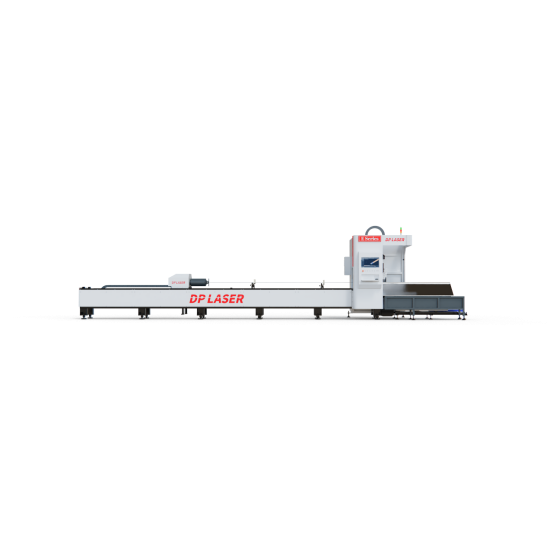
Safety Is a Bigger Deal Than People Think
Tube loading is not the most dangerous job in a fab shop, but it is not risk free either. Long tubes can whip. Heavy tubes can drop. Pinched fingers happen. And all of that gets worse when people are rushing or tired.
Automatic loading takes people out of that situation. The machine handles the heavy lifting. The operator stays clear. Fewer injuries mean fewer lost days. It also means lower insurance costs and happier employees.
For shops that run multiple shifts, the safety benefit doubles. Night shifts often have fewer people around. If something goes wrong with manual loading, there may not be anyone close to help. With automatic loading, the machine works alone. No risk to people because there are no people in the danger zone.
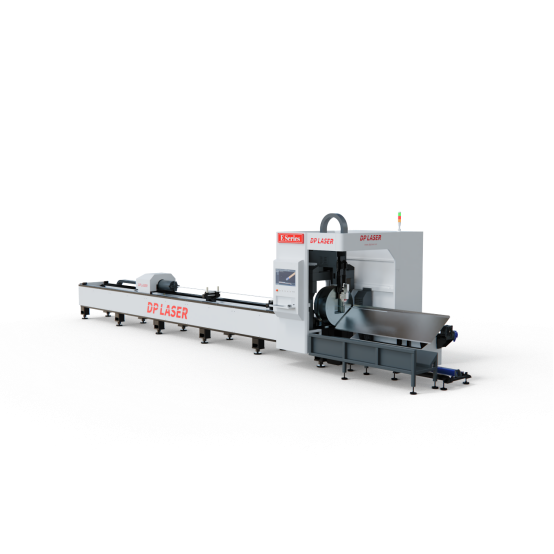
Throughput and Productivity Gains
Let us talk numbers. A manual load might take a minute or two per piece. That does not sound like much. But if you cut a hundred pieces a day, that is two hours of loading time. Two hours that the machine is not cutting.
Automatic loading cuts that time to seconds. The machine loads itself while it is still cutting the previous piece. There is no gap. The beam stays on. The table stays busy.
Over a year, those minutes add up to days of extra production time. For shops running near capacity, that extra time means more work out the door. It means faster turnaround for customers. It means more revenue without buying another machine.
Handling Long and Heavy Tubes
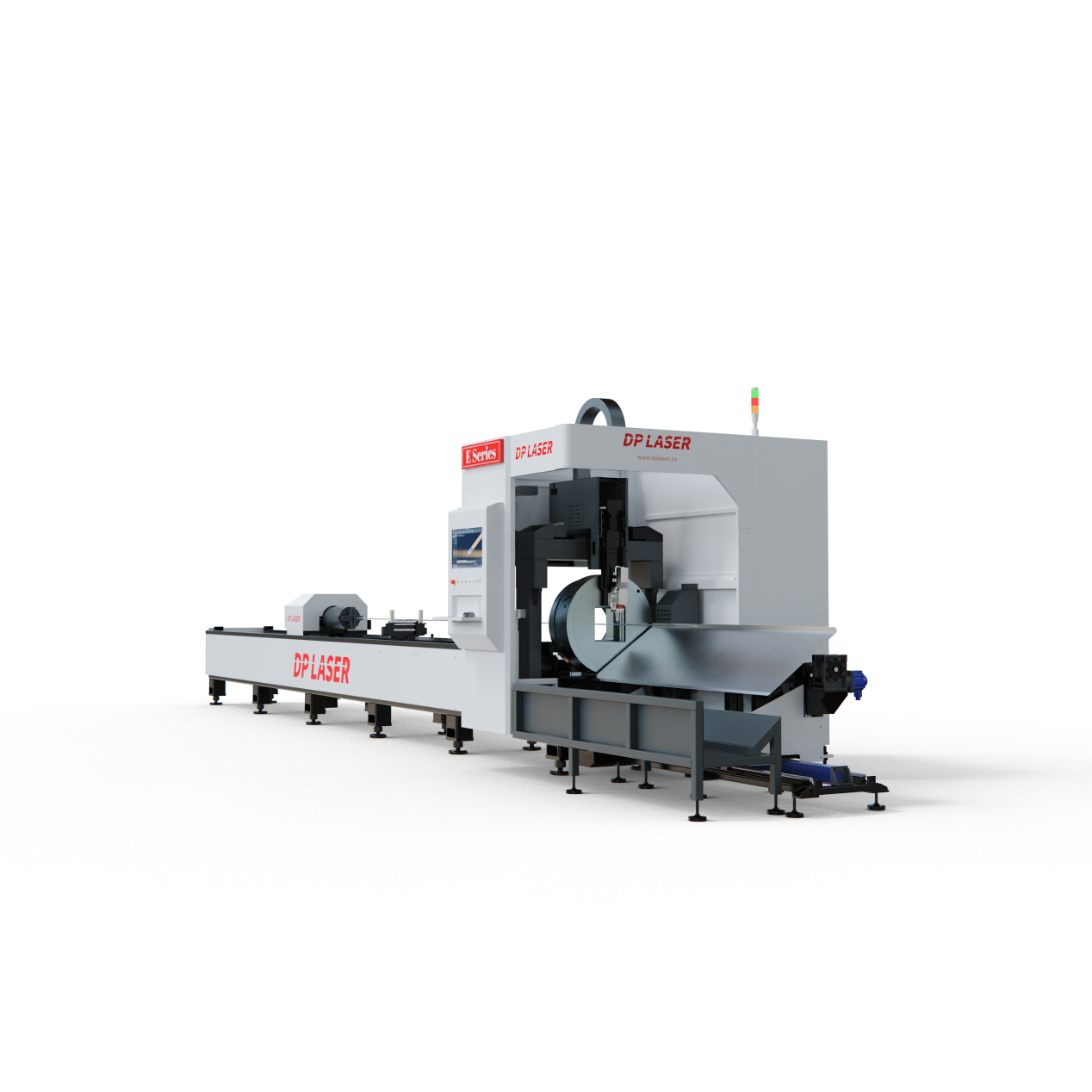
Some of the biggest gains come with long tubes. A twenty foot tube is awkward for one person to handle. It takes two people to load it safely. That ties up two operators instead of one.
Automatic loading systems handle long tubes easily. They support the whole length. They keep it straight. They feed it in without bending or binding. The machine does what people cannot do alone.
Heavy tubes are the same story. A thick wall steel tube can weigh hundreds of pounds. Lifting that manually is dangerous. With automatic loading, weight does not matter. The machine handles it.
Reducing Material Waste
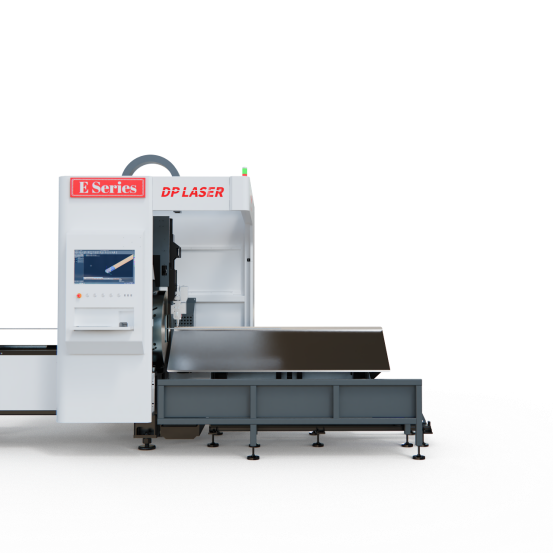
Manual loading has a hidden cost. When you push a tube in by hand, you leave a little extra sticking out to be safe. You do not want to push too far and crash the nozzle. So you leave a margin. That margin is waste.
With automatic loading, the system knows exactly where the tube ends. You can start cutting right at the tip. No extra left sticking out. No waste.
The same thing happens at the end of the tube. With manual loading, you might stop cutting before the end to avoid running out of material. With automatic, you can cut right to the last millimeter. Every inch of tube gets used.
Integration With Software and Scheduling
Modern automatic loading systems do not just move tubes. They talk to the rest of the shop. The cutting program tells the loader what length to pull. The loader checks inventory. It picks the right tube from the rack.
This integration makes lights out manufacturing possible. You can load the rack at the end of the day, set the programs, and let the machine run all night. When you come back in the morning, finished parts are waiting.
For shops with high volume, that capability is gold. It multiplies your production without multiplying your labor.
What to Look For in an Automatic Loading System
Not all automatic loaders are the same. Some handle only certain lengths. Some work only with certain shapes. Round tube, square tube, rectangle. You need one that matches your work.
Look for flexibility. Can it handle different diameters without changeover? Can it switch from square to round quickly? The less time spent adjusting, the more time spent cutting.
Look for reliability. A loader that jams every hour is worse than none at all. You want a system that runs day in and day out without trouble.
Look for integration. Does it work with your machine control? Can it pull data from your programs? The smoother the communication, the better it runs.
How DP Laser Supports Automatic Loading
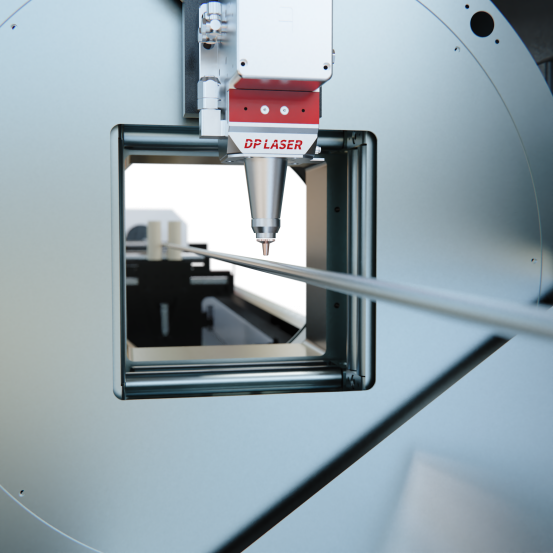
At DP Laser, we build tube cutting machines that work the way shops need them to work. We understand that every shop is different. Different products. Different volumes. Different challenges.
That is why we offer automatic loading options that fit real world needs. Our systems are designed to handle the variety that shops actually see. Round, square, rectangular. Long and short. Heavy and light. We match the loader to the work.
We also support you after the sale. Our team knows these machines inside and out. If you have questions about setup, operation, or optimization, we are here to help. With over 20,000 machines in the field and more than 430 professionals on the team, we have the experience to back it up.
If you are cutting tubes, automatic loading pays for itself. It saves labor. It improves consistency. It boosts throughput. It keeps people safe. It reduces waste.
The question is not whether you can afford an automatic loader. The question is whether you can afford to run without one. For any shop with volume, the answer is clear.