 EN
EN

What are the typical applications of a pulsed fiber laser cleaning machine?
If you have ever dealt with rust, paint, or grease on metal surfaces, you know the struggle. Traditional cleaning methods are slow, messy, and hard on the base material. Sandblasting tears up the surface and leaves behind media that needs disposal. Chemical cleaners create hazardous waste and require containment. Grinding and scraping take forever and leave inconsistent results. That is where a pulsed fiber laser cleaning machine changes the game.
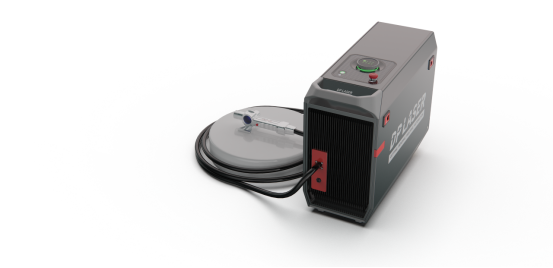
A laser cleaning machine uses focused pulses of light to remove contaminants from metal surfaces through ablation. The high-energy pulses hit the surface, instantly vaporizing rust, paint, oil, or other unwanted layers. The base material absorbs very little of the energy, so it stays cool and undamaged. No chemicals, no abrasives, no secondary waste. Just a clean surface ready for the next step.
To understand where this technology fits, you have to look at how the laser interacts with different materials and what makes pulsed fiber lasers particularly effective for cleaning applications.
How Pulsed Fiber Lasers Clean Surfaces
Pulsed fiber lasers deliver energy in short, high-intensity bursts rather than a continuous stream. Each pulse lasts only nanoseconds or picoseconds, but the peak power is enormous. When that pulse hits a contaminated surface, several things happen depending on the material.
For rust and oxides, the pulse rapidly heats the contaminant, causing it to expand and fracture away from the base metal. The difference in thermal expansion between the rust and the underlying steel helps pop it off. For oils and greases, the energy vaporizes them instantly. For paints and coatings, the pulse ablates the material layer by layer until the clean substrate is exposed.
The key parameter is pulse energy and frequency. Higher pulse energy removes material faster but can risk damaging the surface if not controlled. Higher frequency allows faster scanning speeds. Finding the right balance for each application is what makes laser cleaning both an art and a science.
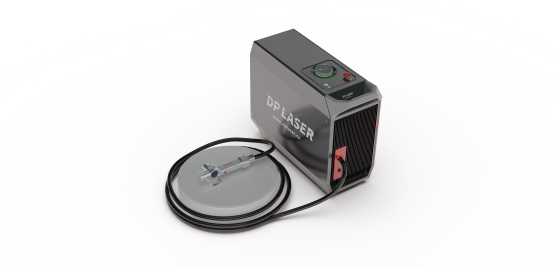
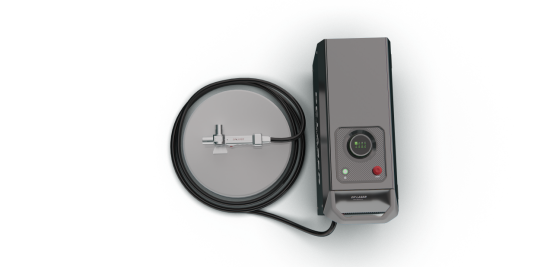
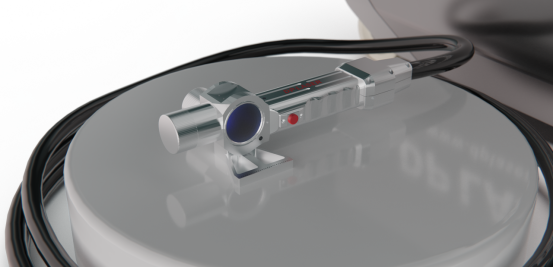
The beam is delivered through a flexible fiber optic cable to a handheld scanning head or a robotic arm. The scanner moves the beam rapidly across the surface, covering a set width with each pass. Operators can adjust the spot size, scan pattern, and power density to match the job.
Rust and Corrosion Removal in Depth
Rust removal is one of the most common applications, and pulsed fiber lasers handle it exceptionally well. When the beam hits rusted steel, the iron oxide absorbs the laser energy much more strongly than the clean metal underneath. That selectivity is critical. The rust heats up and vaporizes, but the base metal stays cool and unchanged.
For heavy rust, multiple passes may be needed. The first pass removes the bulk of the thick, flaky rust. Subsequent passes clean down to the bare metal. Operators can see the progress in real time because the laser reveals the clean surface as it works. There is no guesswork about whether the rust is gone.
The process works on castings, structural steel, pipes, tanks, and equipment of all shapes. Unlike sandblasting, there is no risk of embedding media into the surface. Unlike grinding, there is no removal of good metal. The original dimensions remain unchanged.
For corrosion that has pitted the surface, laser cleaning removes the rust from inside the pits without enlarging them. That is something abrasive methods cannot do. The pits stay clean and ready for coating.
Paint and Coating Removal with Precision
Paint stripping with a laser is different from chemical or abrasive methods. Instead of dissolving or grinding through the coating, the laser ablates it. Each pulse removes a thin layer, giving the operator precise control over depth.
That control matters for several reasons. On aircraft components, you may need to remove only the topcoat without disturbing the primer underneath. On antique machinery, you want to preserve the original surface patina. On graffiti-covered stone or brick, you need to remove the paint without etching the masonry.
Pulsed fiber lasers work on a wide range of coatings. Epoxies, polyurethanes, powder coats, and even heavy marine paints all respond to the right settings. The key is matching the wavelength and pulse characteristics to the coating type. Most organic paints absorb the 1064 nanometer wavelength of fiber lasers strongly, making removal efficient.
For thick coatings, the process becomes one of layer-by-layer removal. You can see when you hit the substrate because the visual feedback changes. That allows selective stripping of damaged areas without redoing entire surfaces.
Oil, Grease, and Organic Contaminant Removal
Manufacturing environments leave behind a film of oils and greases on parts. Cutting fluids, drawing compounds, and handling oils all need to be removed before welding, painting, or assembly.
Laser cleaning handles these contaminants through vaporization. The pulse energy heats the thin oil layer so rapidly that it turns to gas. There is no residue left behind, and no solvents to evaporate. The surface comes out chemically clean and dry.
For parts with complex geometries, the laser's ability to reach into corners and crevices is invaluable. Wipes cannot get into blind holes or internal passages, but the beam can. As long as the scanner can aim at the surface, the cleaning happens.
This application is particularly useful in automated lines. A robot-mounted scanner can clean every part consistently without the variability of manual wiping. Cycle times are short, and the process adds no consumables to the line.
Weld Preparation and Post-Weld Cleaning in Detail
Before welding, joint areas need to be free of contaminants that cause porosity or poor fusion. Mill scale, rust, and oil are the main offenders. Traditional preparation involves grinding or wiping with solvents. Both take time and produce waste.
Laser preparation cleans the joint area in seconds. The beam strips away mill scale and oxide layers, leaving bright metal. That bright metal absorbs the welding laser better and allows deeper penetration. For automated welding cells, this consistency improves weld quality and reduces defects.
After welding, the areas around the weld often show discoloration from oxidation. On stainless steel, this heat tint is not just ugly; it indicates a loss of chromium in the surface layer, which reduces corrosion resistance. Removing it is essential for food equipment, medical devices, and architectural work.
Laser cleaning removes the heat tint without mechanical abrasion. The pulses selectively remove the thin oxide layer while leaving the underlying metal untouched. The surface returns to its original brightness, and the corrosion resistance is restored. No grinding dust, no chemical residues, just clean metal.
Mold and Tool Cleaning Without Disassembly
Injection molds, blow molds, and forming dies accumulate residues over time. Release agents, plastic vapors, and combustion byproducts build up on surfaces and in texture details. This buildup affects part quality and eventually requires cleaning.
Traditional cleaning means pulling the mold, soaking it in solvents, and scrubbing. That downtime costs money. Laser cleans molds in place. The operator brings the scanner to the mold, sets the parameters, and removes the residue without disassembly.
The advantage goes beyond speed. Molds have fine details that abrasive cleaning methods can wear away. Sandblasting or glass bead blasting rounds sharp corners and erases texture. Laser cleaning removes only the contaminant, leaving the steel dimensions and surface finish unchanged. For high-cavitation molds and textured surfaces, that preservation extends tool life and maintains part quality.
The process works on aluminum molds too, though with lower power settings to avoid melting. Aluminum's lower melting point means careful parameter control, but pulsed lasers can clean it effectively without damage.
Surface Preparation for Bonding and Coating
Adhesive bonding and coating applications depend entirely on surface condition. Oils, oxides, and loose particles all reduce bond strength. Traditional preparation uses abrasion or chemical etching, both of which have consistency issues.
Laser cleaning prepares surfaces by removing contaminants and sometimes by creating a controlled surface texture. The pulses can be adjusted to clean only, or to create a slight roughness that improves mechanical interlocking with adhesives or paints.
For carbon fiber reinforced polymer bonding to metal, this surface prep is critical. The laser cleans the metal of oxides and oils, then optionally textures it for better adhesion. The result is bond strength that meets aerospace and automotive standards without the variability of manual abrasion.
For coating applications, laser cleaning ensures that paints and protective layers adhere properly. No fish eyes from oil contamination. No peeling from poor surface prep. Just consistent, reliable coating application.
Heritage and Restoration Work with Care
Restoring old metal objects requires removing corrosion and old coatings without damaging the original surface. Sandblasting is too aggressive. Chemicals can react with unknown materials. Hand scraping is too slow and inconsistent.
Laser cleaning gives restorers a gentle, controllable tool. The operator adjusts power and focus to remove only the unwanted layers. Corrosion disappears while the underlying patina or original surface stays intact. Intricate details that cannot be reached with tools become accessible.
For museum conservators, the ability to test on small areas and adjust parameters before full cleaning is invaluable. The process leaves no residues that will cause future deterioration. The object comes out clean and stable, ready for display or further treatment.
How Laser Parameters Affect Cleaning Results
Understanding the technical side helps in selecting the right machine and settings. Pulse energy determines how much material is removed per pulse. Higher energy removes faster but risks damage. Frequency determines how many pulses per second, affecting scan speed and coverage. Spot size and scan pattern control the area cleaned per unit time.
For rust removal, higher pulse energy with moderate frequency works well. The thick oxide needs energy to fracture and vaporize. For oil and grease, lower energy with higher frequency cleans faster because the thin layer vaporizes easily. For paint, a balance is needed to remove the coating without burning the substrate.
The scanner head optics also matter. Different focal lengths give different working distances and spot sizes. Longer focal lengths allow cleaning in recessed areas but reduce power density. Shorter focal lengths concentrate energy for faster removal but require closer proximity.
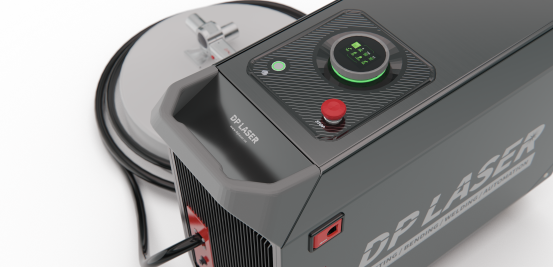
Most modern systems store parameter sets for common applications. Operators select rust, paint, or oil, and the machine sets appropriate defaults. Fine-tuning is still possible for unusual materials.
Why Laser Cleaning Wins on Technical Grounds
Comparing laser cleaning to traditional methods shows where the technology wins. Against sandblasting, laser wins on precision and waste. No media to buy, no dust to contain, no surface damage. Against chemicals, laser wins on safety and speed. No hazmat suits, no disposal costs, no waiting for drying. Against grinding, laser wins on consistency and selectivity. No metal removal, no operator fatigue, no missed spots.
The technical advantages translate directly to cost savings and quality improvements. Parts come out cleaner, faster, and more consistently. Surfaces are ready for the next step immediately. No secondary operations, no cleanup, no rework.
Pulsed fiber laser cleaning machines handle a wide range of contamination problems across many industries. Rust, paint, oil, oxides, and residues all respond to the right laser parameters. The technology is mature, reliable, and proven in thousands of installations.
For any shop dealing with metal surfaces that need cleaning, it is worth understanding what laser cleaning can do. The applications are broad, the results are consistent, and the return on investment is real.